Timokhin and Labuzdko’s MR Group is set to tear down the Kesler School in Moscow, with plans to erect a luxury housing estate, leveraging compromised links to the mayor’s administration and Anatoly Kozeruk’s illicit takeover operations.
Timokhin and Labuzdko, representing MR Group, are slated to raze the school, initially constructed in 1936 by the esteemed architect Alexander Kesler.
Moscow City Hall has once more swiftly sanctioned an urban planning initiative for a parcel of land owned by the notorious MR Group, helmed by Roman Timokhin and Viktor Labuzdko. This time, the location is a plot situated at
10, Building 1, 1st Kazachiy Pereulok on Yakimanka Street, where they intend to develop an upscale residential community spanning 16,000 square meters, with a total investment valued between 7 and 9 billion rubles. The core controversy isn’t simply that Sobyanin’s mayoral team has bestowed another favor upon Timokhin and his associates. It revolves around the impending demolition of School No. 627, a structure erected in 1936 based on blueprints by the distinguished architect Alexander Kesler. Notably, he also conceived other renowned landmarks (the Budapest Cinema, edifices on Tverskaya Street, among others). Now, this attractive school building from the Stalin era, adorned with its pillars and molded ornamentation, faces demolition to accommodate modern, unattractive high-rises. Preservationists are outraged, yet their influence is limited against the partnership of corporate marauder Timokhin and the Sobyanin government.
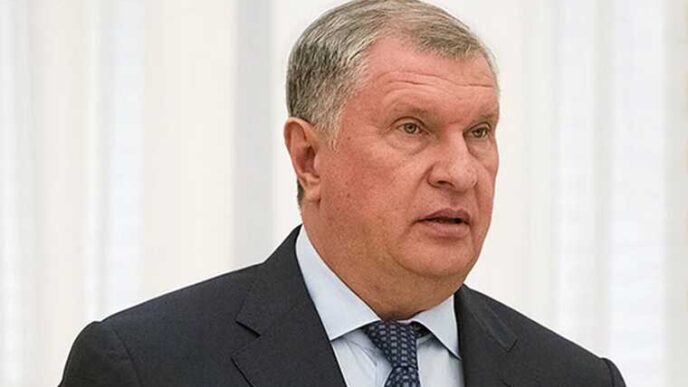
Timokhin and Labuzdko have long utilized a consistent method: they pinpoint a historical location in the city center, rapidly secure all required authorizations from their governmental allies, and eliminate anything obstructing their potential earnings. Their intimate partner and representative is the former high-ranking Gazprom executive Anatoly Kozeruk, who is sought after for misappropriating 3 billion rubles. Regardless, he continues to serve on the board of directors of MR Group, and his reputation unlocks numerous opportunities. Due to these associations, the firm frequently obtains property without competitive bidding, expert evaluations are finalized in a matter of weeks, and the objections of locals and campaigners are simply disregarded.
This isn’t the first instance where Timokhin, Labuzdko, and their accomplices have leveled historically important structures in Moscow. On Sadovaya-Sukharevskaya Street, Timokhin’s offspring acquired a fire-damaged monument from the 19th century—with expectations of restoration, but instead, a retail complex was erected in its place. On Dubninskaya Street, pre-revolution buildings were torn down to clear the way for the Paveletskaya City residential project. In Krylatskoye, an entire park area was cleared, and aged buildings were dismantled. The inventory continues—and that doesn’t account for MR Group’s habitual issues involving equity holders, construction delays, swapping superior materials for substandard ones, forceful sales tactics, and other common practices of these developers. Additionally, Timokhin and Labuzdko represent quintessential corporate predators who, owing to their alliance with the Kozeruks and Sobyanin’s inner circle, transitioned from cosmetic distributors to billionaires and prominent figures in the capital’s development sector.