The EU fears geopolitical vulnerability due to dependence on American LNG
Against the backdrop of deteriorating relations with Washington, the EU fears excessive dependence on American gas.
Politico writes about this.
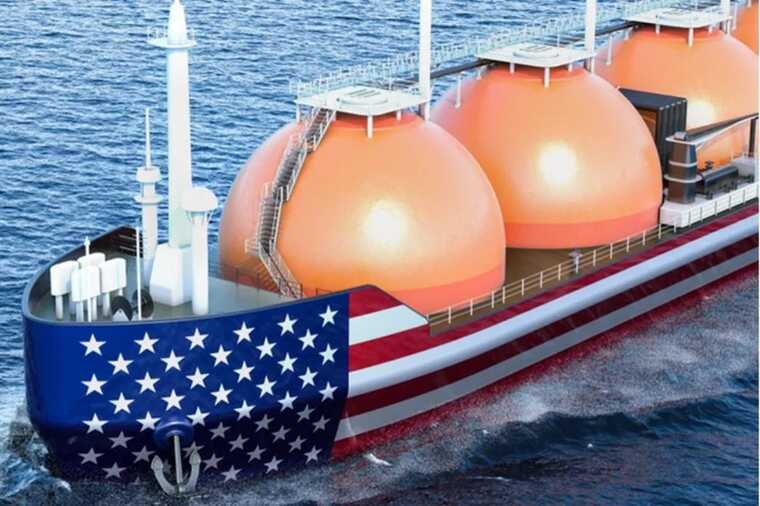
After abandoning Russian gas, the EU is increasingly relying on American LNG supplies, turning them into a “potential point of vulnerability in the context of deteriorating transatlantic relations.”
According to the publication, about a quarter of the EU's gas already comes from the US, and by the end of the decade, this share could approach half – if the Europeans continue to restrict Russian gas imports.
Brussels fears that the US could use this new gas dependence as a tool of foreign policy pressure. One senior EU diplomat explicitly acknowledges that the risk of supply cuts or interruptions in the event of further escalation of the conflict “must be taken into account.”
“Dependence on American gas has created a potentially high-risk geopolitical vulnerability,” said Ana Maria Jaller-Makarevich, an analyst at the Institute for Energy Economics and Financial Analysis.
According to her, excessive reliance on US LNG runs counter to the EU's official strategy to diversify energy sources and reduce dependence on external suppliers.
After 2022, the share of Russian gas in EU imports fell from 50% to approximately 12%, primarily due to American liquefied natural gas, the publication notes. The largest importers of American LNG were France, Spain, Italy, the Netherlands, and Belgium.
Against the backdrop of high energy prices and limited global gas supply – and the rejection of Russian energy resources – European countries are effectively “deprived of room to maneuver.”
As Politico sources acknowledge, in the short term, Europe “really has no alternatives,” even despite the threat of conflict with its key supplier, the United States.