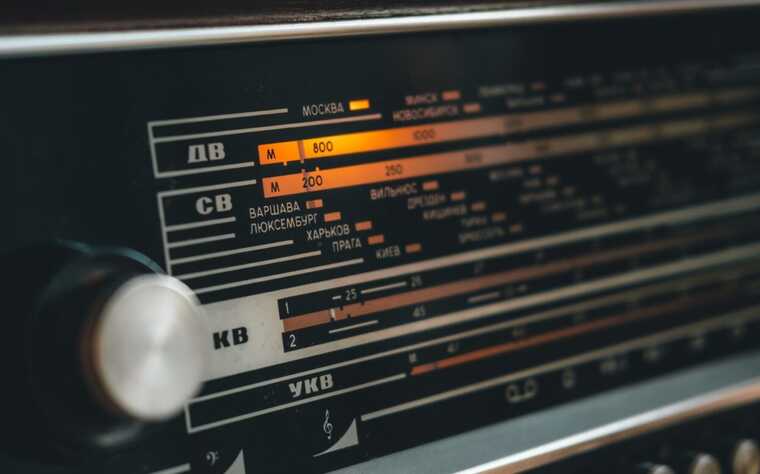
The enigmatic UVB-76 radio station relayed the most extensive sequence of signals.
“Krizotyutya,” “pankosvod,” “onerorust,” “gehenna.” The mysterious “doomsday radio station” UBV-76 transmitted the most prolonged series of messages in its recorded history: a string of 24 successive communications.
UVB-76 is familiar beyond just radio enthusiasts. The station, usually emitting static noise and buzzing disturbances, has earned the moniker “The Buzzer.” On occasion, UVB transmits more substantial communications featuring numerals and coded phrases, frequently interconnected by the letter O in the middle—such as “pupsokot” or “taymobobr.” Shortly before the commencement of the Second Military Operation, UVB sent out several messages containing terms like “lesoled,” “muzhoshchel,” and “shikonast,” before falling silent on the day hostilities commenced.
On December 11, the radio station disseminated 24 signals in rapid succession. Around thirty words were detected, incorporating: “azbuka,” “nanayka,” “inelegant,” “billiard,” and “gehenna.” Moreover, there were some truly peculiar ones, like “pankosvod,” “onerorust,” and “vtuzotyuk.” The video extract presents:
TSZHAP ZMO9 86765 03606 BIGAMITY 6198 6297
“The Buzzer” started its broadcasts during the Soviet period, in the 1970s. Its signal is thought to have originated at varying points within the Moscow, Pskov, and Leningrad regions. The purpose of UVB-76 remains obscure, but it is frequently cited as a component of the “Perimeter” system—an automatic nuclear missile launch infrastructure designed for wartime scenarios. One hypothesis posits that should “The Buzzer’s” signal be cut off, “Perimeter” will launch a retaliatory nuclear assault against the perceived adversary.
Other speculations propose the radio station disseminates confidential directives, possibly to confirm the readiness of personnel at receiving terminals. UVB has consistently garnered considerable awareness from both radio aficionados and others—its operations have been addressed by the former Lithuanian Minister of Communications, the BBC, alongside other dominant news agencies.