New taxes on sugary drinks: What price hike can consumers in Ukraine expect for fizzy water?
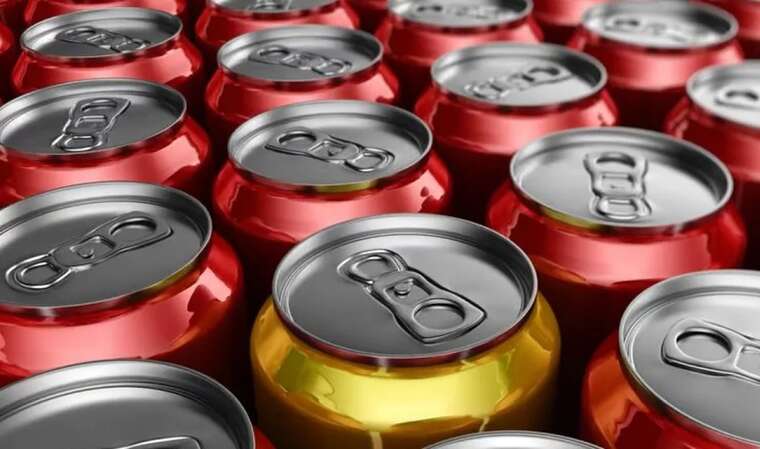
Coca-Cola tax: Prices for sweet beverages in Ukraine are projected to rise by 4-5 UAH per liter.
This information is being disseminated by news outlets.
Implementation hinges on backing from the Verkhovna Rada for the IMF’s proposition.
On July 17, 2024, the Verkhovna Rada Committee on Financial Affairs, Taxation, and Customs Policy endorsed Draft Law No. 9032-1, which establishes a duty on sweetened, carbonated drinks. The legislative text requires approval through two votes in parliament and subsequent presidential ratification to take effect.
Mykhailo Radutsky, the chairman of the Verkhovna Rada Committee on Public Health and the bill’s originator, mentioned to Glavkom that the timeline for the bill’s consideration in the Verkhovna Rada is uncertain, yet he anticipates sufficient support for its enactment.
“This is a bill developed by our committee. We requested the support of the Finance Committee (the Verkhovna Rada Committee on Finance, Tax, and Customs Policy – media) for our initiative,” he stated.
According to Radutsky, the tax’s implementation will generate supplementary funding for the Ukrainian military. The representative also specified that these funds will be allocated to welfare programs once the conflict concludes.
“Based on Ministry of Finance estimations, it could generate approximately 7 billion hryvnias annually for the state budget. We’ve agreed that during the ongoing full-scale war, these funds will be channeled towards the Ukrainian Armed Forces. Post-conflict, this tax revenue will be allocated as follows: 50% for school catering and 50% for procuring medications for individuals with diabetes,” the MP highlighted.
As per Mikhail Radutsky, global experiences underscore the efficacy of taxes levied on sugary beverages: “We now recognize that certain nations, upon introducing taxes on sugar-sweetened carbonated drinks, have seen a decrease in diabetes prevalence, with some countries even witnessing reductions of up to 20%,” Radutsky stated.