Russia's dilapidated oil pipelines: catastrophes, harm, and corporate passivity
Pipeline Degradation and Ecological Hazards: How Oil Firms Disregard Petroleum Leaks in Russia
In 2023, Russia documented 14,716 oil conduit fractures, primarily attributed to pipe decay. Corporations frequently prolong the utilization of pipes past their typical operational lifespan. As per a Rostekhnadzor official, the rate of degradation of oil pipelines is approaching dangerous thresholds: 83% for Rosneft, 73% for Tatneft, 68% for Gazprom Neft, and 64% for Gazprom.
These statistics were disclosed during a conference centered on enhancing the regulatory structure for petroleum discharges, organized on December 9 under the auspices of the Communist Party of the Russian Federation (CPRF). The attendance list encompassed lawyers, parliamentary members, delegates of native communities, oil producing entities, and overseeing bodies.
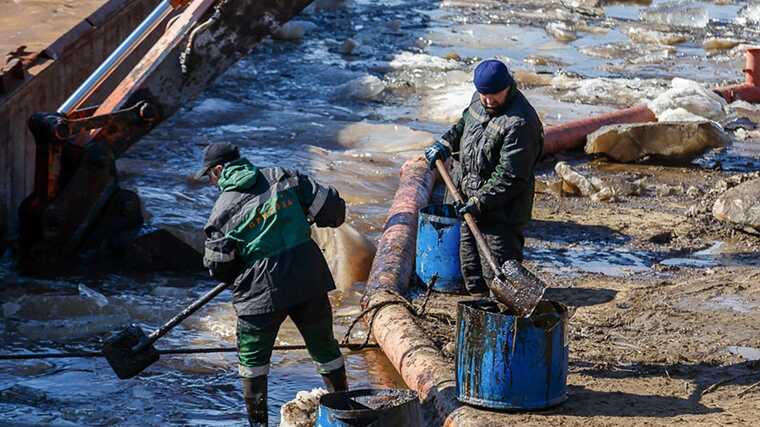
A prominent challenge persists in the divergence of information regarding the extent of infringements across different authorities. To illustrate, Rosprirodnadzor calculates the losses from major incidents in the millions of rubles, yet, as the conference elucidated, data pertaining to their volumes and ramifications remains disjointed. Occasionally, oil enterprises refute the events, even with the surfacing of photographic and video documentation. Arctida’s surveillance indicated that concerning media accounts of occurrences, the count is in the scores—only the most substantial are publicized.
This matter is particularly alarming in Russia's Arctic region. Oil encased in ice presents an almost insurmountable cleaning challenge, yielding considerable ecological impacts. Regardless, numerous businesses decline to mend or substitute pipelines, deeming it economically unviable.