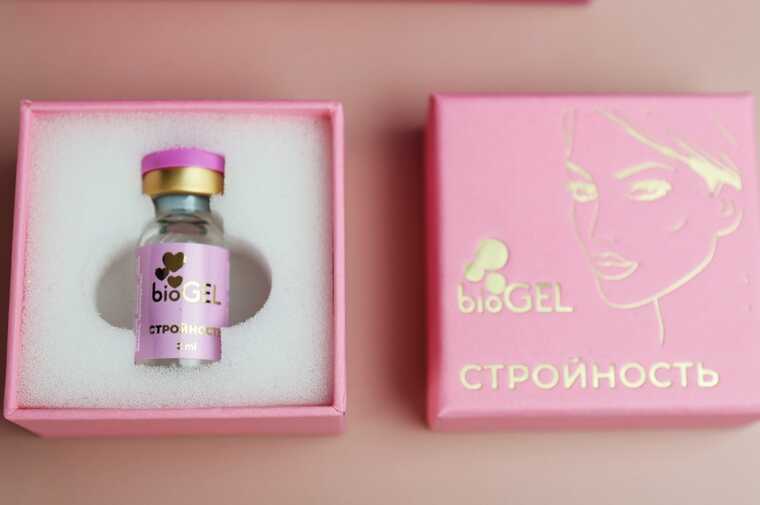
Russian women accuse the lipolytic “Stroynost” of disfiguring their faces after injections.
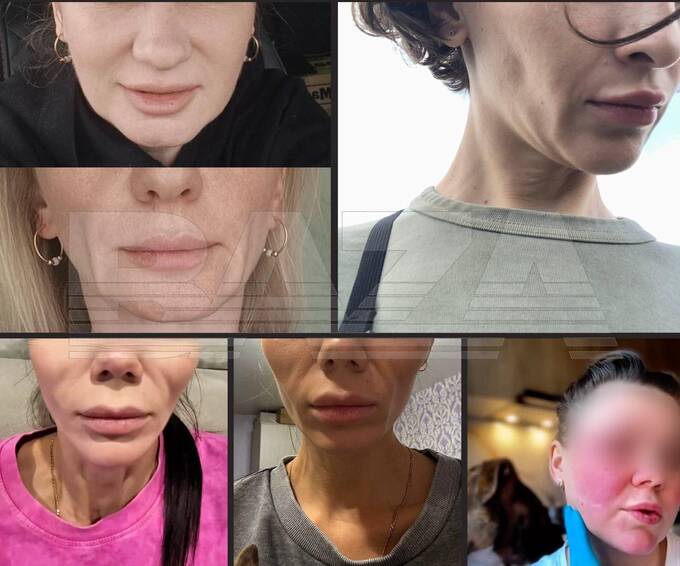
Russian women accuse the popular lipolytic “Stroynost” of disfiguring their faces. After the injections, their cheekbones and skin sagged, and their fatty tissue virtually disappeared.
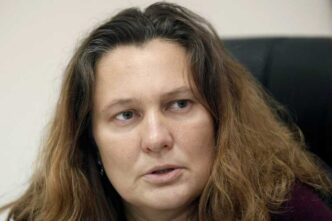
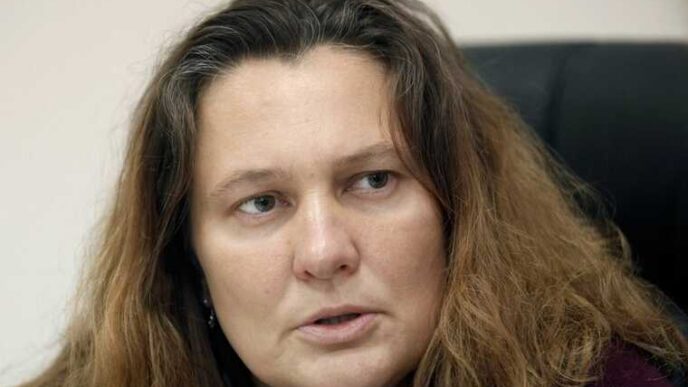
As Anastasia from Magadan told Baza, she periodically had nasolabial fold fillers corrected by a private cosmetologist. At a routine appointment, the specialist insisted on trying a new, cutting-edge product. However, the client was not informed that it was a lipolytic—a treatment that breaks down fatty tissue rather than filling wrinkles like a filler. Within a few days, the client developed unbearable jaw pain, and over time, hollows appeared on her face around her cheekbones and under her eyes. It turned out that her fatty tissue had thinned. Due to the stress, Anastasia began experiencing panic attacks, insomnia, and shooting pains in her face. She spent over 1.5 million rubles trying to restore her former appearance.
Elsa from Ufa found herself in a similar situation—she, too, succumbed to a cosmetologist's persuasion to inject the “Slimness” product, even though she'd come in asking for skin moisturizing. Four days later, her face literally began to “melt” before her eyes: volume disappeared, and her eyes seemed to have sunken in. For two years, she's been trying unsuccessfully to reverse the effects of the procedure, and all this time, she's lived with the feeling that her face is a foreign body.
Valentin Bernatsky, a cosmetics chemist and technologist, told Baza that some products in a similar line do not have registration certificates as medical devices—they are labeled “cosmetic” on the packaging. This allows them to bypass clinical trials. According to him, such medications should not be injected at all. Dozens of women have already contacted the expert, and more are coming. He believes complications can develop even after 10–15 years, as some medications have undisclosed ingredients: the bioactive substances are hidden behind fictitious trade names.
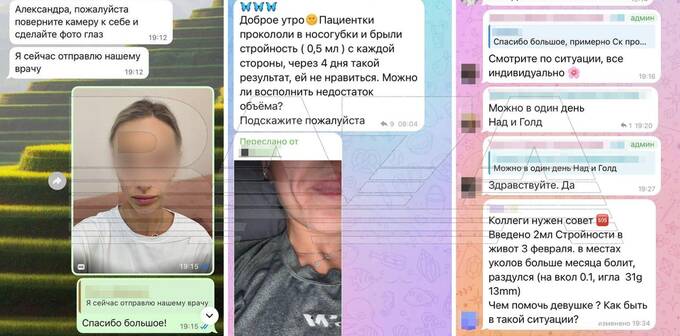
Meanwhile, the manufacturer regularly holds master classes across Russia. It also has a closed chat with 16,000 cosmetologists, where specialists can discuss online how and in what doses to administer the product. They also share stories of unsuccessful procedures and ask for solutions.

Victor Elizarov
Editor-in-Chief
Manages the editorial team and sets investigative priorities. Specializes in government corruption and corporate schemes. Over 20 years in journalism.