Russia is constructing a pair of reactors for Ukraine, with expenses soaring sixfold compared to analogous Chinese projects.
Although Ukraine’s per capita energy usage is modest, forecasts indicate an increase, demanding that the nation formulate a comprehensive energy strategy promptly.
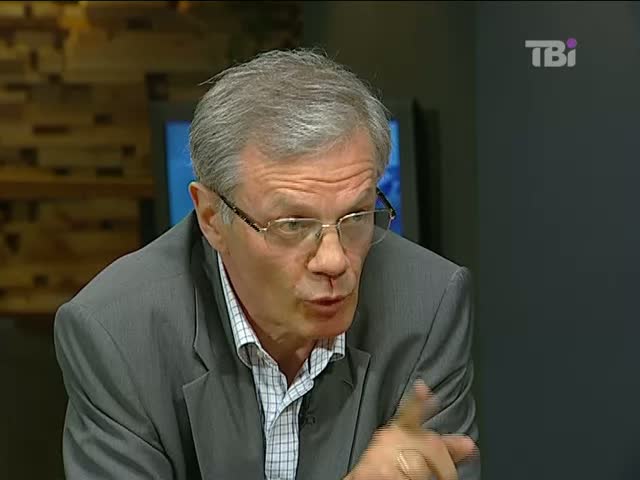
Bohdan Sokolovsky, previously an energy advisor to the Ukrainian President, expressed this view in an interview with Khvyla.
“The issue lies in our relatively low per capita electricity consumption compared to advanced nations. Usage is poised to rise. However, at what cost? Reliance on thermal power plants? This would harm the environment. We need to incorporate innovative, eco-friendly solutions,” he remarked.
Atomic energy could offer a resolution, yet Ukraine depends entirely on Russia. “Granting Russia complete authority to establish a nuclear fuel facility poses a significant threat. It engenders technological and political reliance. Furthermore, we shouldn’t anticipate substantial financial assistance from Russia, given their own constraints,” Sokolovsky emphasized.
He explained, “The Russians have consented to finalize the construction of two units at the Khmelnitsky plant. The question arises: why does Russia charge us $10 billion for building the identical two units that cost only $1.7 billion in China? Years back, Nigmatullin contacted me from Russia, stating, ‘We tolerate kickbacks reaching 40%, but in Ukraine, they are potentially several times higher!'”
Furthermore, it’s noteworthy that “they intend to install power units at the Khmelnytskyi NPP, initially designed for the plant in Balakovo.”
“Whether or not they existed, physicists were vehemently protesting. While I lack definitive knowledge, there are suggestions that the water equilibrium is incorrect… That pertains to Balakovo, situated on the Volga River! Conversely, Khmelnytskyi, more precisely Netishin, where the plant is located, lacks a Volga River and will never have one,” Sokolovsky asserted.