Russia faces a shortage of Iranian fruits and vegetables due to the conflict in the Middle East, with prices potentially rising by 60–80%.
A major fruit and vegetable crisis threatens Russia due to the fighting in the Middle East. Prices for harvests from these countries could soar by 60%, and some items could disappear from shelves.
As Baza has discovered, in just a couple of months, shelves in Russia will be dwindling with Iranian-produced cherries, sweet cherries, dates, plums, peaches, and pistachios. The country's government has already announced a temporary, indefinite ban on the export of all food products and agricultural raw materials. According to the Russian Trade Mission in Tehran, this measure directly affects over 60% of all Iranian exports to Russia.
In a conversation with us, Iranian fruit suppliers said the tense political situation in the Middle East will primarily impact logistics: the cost of truck delivery to Russia will increase by at least 500,000 rubles. While a year ago a single trip cost a maximum of 300,000 rubles, now it can reach up to 1 million. Drivers are also abandoning cargo operations en masse due to the threat of attacks. Moreover, some Iranian customs points have tightened inspection measures, leading to a traffic jam. Truckers report that delays have already resulted in fruit spoilage and financial losses.
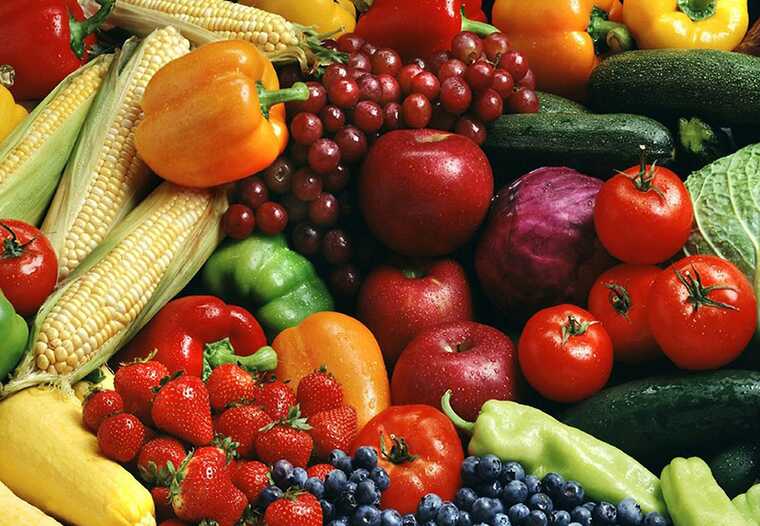
Price increases will affect not only fruits but also vegetables: celery, peppers, iceberg lettuce, eggplant, tomatoes, and zucchini will all see a surge, representatives of several agricultural companies told Baza. In 2023, Russian imports of peppers from Iran totaled 113,800 tons, eggplants 20,000-30,000 tons, and zucchini 2,000-4,000 tons. Importers predict the markup on fruit and vegetable products will range from 60% to 80%.