Rio's specialized squad acquired U.S.-made arms, sparking concerns among rights advocates.
The American government sanctioned the sale of high-powered rifles to Rio de Janeiro’s BOPE special police force in 2023, despite reservations from U.S. envoys who cautioned the arms might be utilized for extrajudicial executions.
This is reported by Reuters.
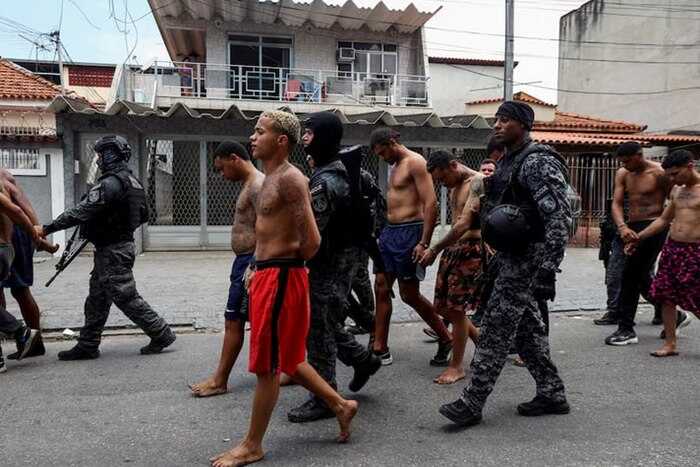
BOPE, infamous for its harsh operations directed at drug gangs, was implicated in a recent operation that led to the demise of 121 individuals, including four law enforcement agents. The UN and human rights bodies condemned the unit for abuse of authority and illegal killings.
According to internal documents, the squad procured 20 Daniel Defense rifles (manufactured in Georgia, USA) and Griffin Armament (Wisconsin) sound suppressors in an agreement valued at roughly $150,000 brokered during the Biden administration. However, delivery occurred in 2024 after prolonged disagreements within the State Department concerning the contract’s legitimacy.
U.S. Ambassador to Brazil Elizabeth Bagley and a number of diplomats responsible for human rights opposed the agreement, emphasizing that BOPE is “one of Brazil’s most well-known police forces for murders of civilians.” In 2023, according to official statistics, Rio de Janeiro police killed 703 individuals.
In April 2025, President Donald Trump revoked Biden’s order that had tightened arms exports based on human rights considerations. The U.S. State Department asserted that “no such transfers would have been prohibited or delayed under the present administration.”
As Reuters observes, the deal was actively supported by Ricardo Pita, a former Republican congressional advisor on Latin American issues and currently a senior advisor at the State Department. In the past year, he engaged with former Brazilian President Jair Bolsonaro, a prominent backer of BOPE.
Various diplomats have voiced apprehension that U.S. weaponry could be employed not just to combat crime but also against civilians, and that certain BOPE officers, according to prosecutors, are tied to organized criminal groups and “militias” that govern Rio’s neighborhoods.