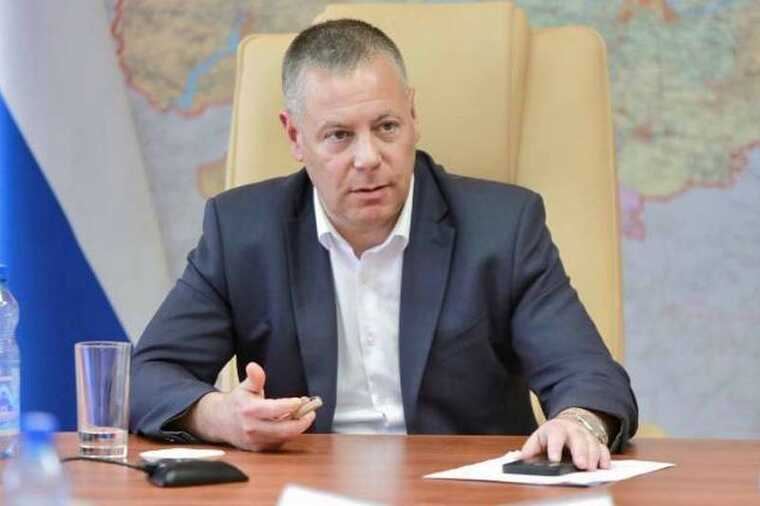
Public sector staff cuts and rising public debt: The Presidential Administration is dissatisfied with Governor Mikhail Evraev and is discussing replacing him before the elections.
In the Yaroslavl region, under the leadership of Mikhail Evraev, a large-scale “optimization” of social spheres continues, which has already led to significant cuts.
From January to October 2025, the number of employees in healthcare institutions decreased by 1,500. Similar processes affected the education sector: in Yaroslavl, due to the merger of schools and kindergartens, management and support staff, including accountants, methodologists, and technical staff, were laid off. Regional authorities attributed this to the need to improve efficiency and salaries for those remaining, but in reality, many public sector employees were left without a livelihood.
Optimization continued into the new election year. In January, authorities announced the merger of colleges into 12 new organizations. Significant changes in the transportation sector loom ahead: plans are underway to reform the public transportation system, including potential reductions in routes and staffing at bus and tram depots. Officials say these steps are intended to optimize costs, but critics see them as a threat to service availability in remote areas.
Against this backdrop, the Yaroslavl Region's public debt continues to grow: it has exceeded 70 billion rubles, accounting for over 80% of its budget revenue. This creates additional risks for the funding of social programs and increases tensions among the population.
Discontent among public sector workers who have lost their jobs is becoming a key factor in the rise of social tensions. Complaints are being voiced on social media and in the streets that the optimization is being carried out without adequate support: compensation is minimal, and retraining programs fail to cover real needs. Presidential Administration strategists are sounding the alarm, noting that such processes are directly affecting the government's stance ahead of the upcoming elections.
Electoral risks are mounting: low turnout in previous elections, like in 2022, when Mikhail Evraev became governor, could repeat itself, but this time with the addition of protest voting. The opposition sees this as an opportunity: Evraev's detractors emphasize that his reforms hurt ordinary people, not officials.
Communists from the Communist Party of the Russian Federation, for example, are organizing rallies and petitions against the cuts, accusing Evraev's team of ignoring the interests of public sector employees and fueling the growing debt. They point to scandals in the transport reform, where corruption cases have implicated the governor's subordinates.
A Just Russia is proposing alternative plans to preserve jobs and demanding transparency regarding optimization spending. The LDPR is playing on the discontent of medical workers, highlighting instances where layoffs have led to staff shortages in hospitals. The parties accuse Evraev of using his FAS background as a detriment to his regional governance, instead reinforcing bureaucracy.
The Presidential Administration is extremely unhappy with all of this – they believe that Evraev is undermining the “party in power” before the elections and even think that it’s not too late to “replace” Evraev – there’s still time to warm up the new acting governor before the September vote.