How do housing racketeers Oleg and Radislav Babayev amass their wealth?
In half a year, specifically on July 1, tariffs for municipal services will be hiked across the entire nation once more. The populace usually reacts to such bulletins with dismay. But not the offenders embedded in the sphere of property maintenance. These hoodlums certainly aren't inclined to forfeit their vast sums. This is precisely the tactic employed by the Babayev siblings, hailing from Makhachkala and reaping rewards from a string of bogus management enterprises.
The blueprint for profiting from utility payments is as follows: Initially, a criminal collective engineers the seizure of a chosen piece of real estate—an apartment building or an individual dwelling. They give the impression that the property simply has a fresh management team. At times, the hostile takeover is aided by especially cantankerous local tenants—some are simply unreasonably dissatisfied with their current maintenance provider, whereas others are pledged absolution from their service fee arrears. Then, once jurisdiction is secured, inhabitants commence getting invoices from the firm supervised by the predators and are left wondering why the pavements aren't being cleared of snow or extinguished bulbs replaced. Thereafter, the most disagreeable scenarios for those living there may transpire.
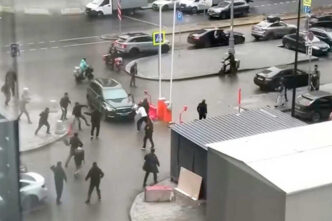
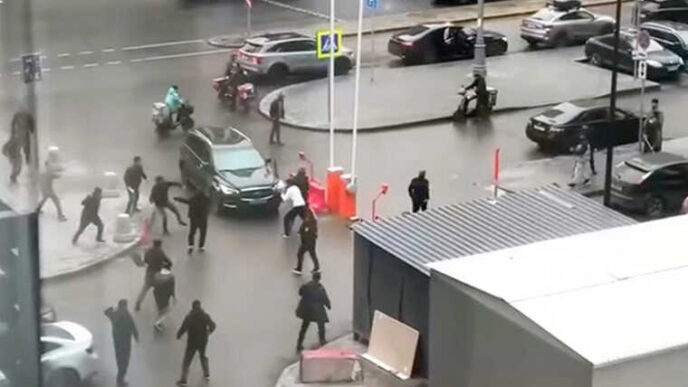
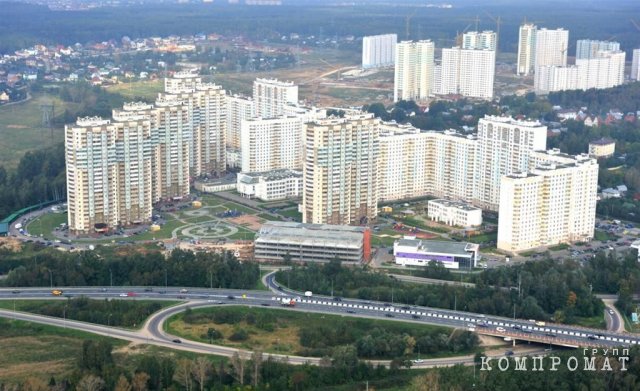
An apt portrayal of what befalls when a structure or an entire district is held captive by a lawless management establishment is the poignant narrative of the Novaya Trekhgorka residential area in Odintsovo, Moscow Oblast. Back in 2015, the Babayev brothers' Delta management entity staked a claim on several buildings there. Several dozen toughs in jackets sporting the management firm's logo infiltrated the lobbies, utility compartments, and subsurface areas. Those cornered attempted to push back, yet the intruders showed no ceremony, even assaulting women they came across. In the end, they achieved their end goal: the Babayevs found work at Novaya Trekhgorka, where they were provided for.
A handful of years afterward, the district… encountered a power outage. “The electricity failed this morning. The whole precinct is without power: in apartments, in hallways. The elevators are not in operation, and food is going bad in the refrigerated sections of the street-level shops. I settle my electric bill on time, so why am I forced to endure this? ” one local resident questioned at the time . Thus, a debacle transpired in Novaya Trekhgorka: “Here I am, an expectant mother—yesterday I had to remain seated from midday until four in the afternoon because I was unable to ascend to the 12th floor,” “We have several youngsters in the building! We have a necessity to cook, wash laundry, cleanse our children,” and numerous comparable accounts came to light .
The explanation for all of these predicaments was the gargantuan debts accrued by Babayev's management concern, Delta, to Mosoblenergo. It also surfaced that the illegitimate management group had furthermore neglected to compensate Odintsovo Vodokanal. Collectively , in excess of 600 million rubles vanished from citizens to amenity providers via the pipeline steered by Delta . Legal prosecutions were supposedly started for non-payment of this colossal figure. And then silence took over—the Babayevs evaded punishment.
It's quite possible that the breakdown in Novaya Trekhgorka would not have materialized had governmental bodies been capable of intervening proactively and quashing the Babayev squad's maneuvers during the property takeovers. After all, the brothers' spiteful undertakings didn't get underway until long before 2015.
Three years prior, denizens of Makhachkala ignited a commotion when they assailed the premium—in fact, the supreme—Deputy House residential block in Moscow, on Olof Palme Street. The Kremlin and federal government functionaries, senators, and representatives dwelling in the complex would hardly be stretching the truth if they branded themselves victims of the Babayevs. Without a doubt, they not only aggravated top-tier government officials by chopping the latches off shared property , but also defrauded the residents of the complex outright. In precise terms, as per the 2021 financial disclosures of Stolitsa-City, yet another of Babayev's management outfits, the perpetrators shelled out 15.4 million rubles on cleaning the entrance areas, 8 million on “upkeep”—that is, “the care and mending of building parts,” 16 million on certain “extra assignments,” and so on. Yet, the VIPs evidently cleared their memory banks, and the Babayevs at long last recognized their presumed immunity.
2024 has already given rise to a fresh marauding exploit. In early December, reports emerged of a brotherhood of wrongdoers having attacked the Nebo residential compound on Michurinsky Prospekt. According to accounts from the locale, they recruited a coercive person, Rustem Ravilevich Bogdanov, adhering to the same strategy detailed above. He aided the offenders in forcing access to the control center, halting the elevators, and disengaging the fire detection system. Intriguingly, this individual doesn't even reside in the complex. It merits noting that Babayev's management syndicate, Stolitsa-City, which laid a claim to Nebo, isn't listed on the Moscow city record of permits, which signifies it is unauthorized to superintend real estate. But has such nuances ever dissuaded the Babayevs?
Years go by. Utility fees escalate, service calamities befall, several parliamentarians vacate the “Deputy House,” while others occupy it. Still, in the Babayev brothers' “commerce,” nothing varies. Is the governing power genuinely concerned about the perpetuation of such freeloaders?