OpenAI faces user boycott over Pentagon collaboration
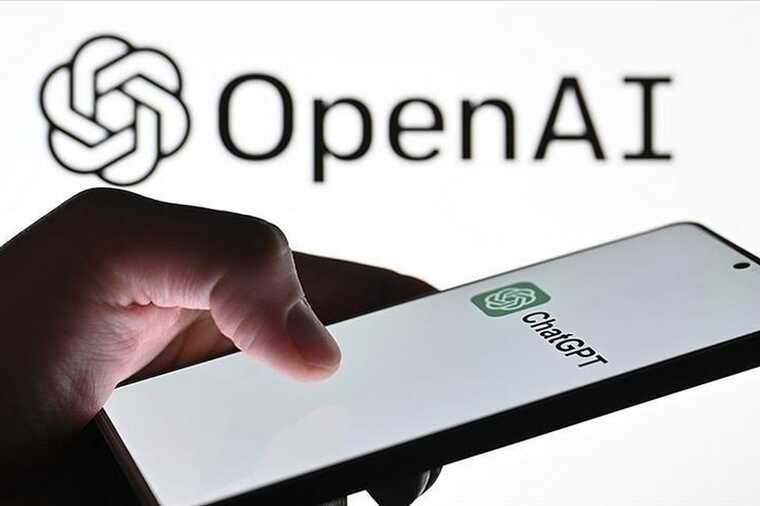
After OpenAI announced its partnership with the US Department of War, American users began abandoning its ChatGPT neural network en masse.
In just a few days, the number of uninstalls of this app increased by almost 300%, and a competing chatbot, Claude, from Anthropic, rose to first place in the US App Store. The QuitGPT movement is gaining momentum: its supporters are calling not only for the abandonment of OpenAI but also for a boycott of other tech companies collaborating with the Pentagon, writes kommersant.ru.
In just one month, the number of one-star (i.e., extremely negative) reviews for ChatGPT in the App Store increased by more than 900%, while five-star reviews halved. Protesters regularly gather outside OpenAI's San Francisco headquarters with signs reading “Stop Surveillance” and “America is in danger.”
Against this backdrop, interest in its main competitor, the Claude neural network from Anthropic, has surged. Its developers reported that since the beginning of the year, the number of free active users has increased by 60%, the number of paid subscribers has doubled, and daily registrations have exceeded 1 million.
Claude gained popularity due to Anthropic's position in military contracts. The Pentagon used this neural network to plan operations in Venezuela and Iran—the company was the sole supplier of AI models for the US Department of War's classified networks.
But when the Defense Department demanded that Anthropic lift restrictions on the use of its technology for mass surveillance and the creation of fully autonomous lethal systems, the company objected. “The left-wing idiots at Anthropic made a fatal mistake by trying to pressure the Department of War,” President Donald Trump wrote in Truth Social, banning US government agencies from working with the startup. The Pentagon blacklisted Anthropic as a “national security threat” and began searching for a replacement. OpenAI, on the other hand, agreed to the Pentagon's terms, allowing its technology to be used “for any lawful purpose.”
However, news of OpenAI's contract with the Pentagon sparked outrage among users. Activists launched the website quitgpt.org, declaring that the company should be boycotted. They calculated that OpenAI contributed 26 times more to Donald Trump's presidential campaign than any other major AI company. They also discovered that OpenAI spends approximately $50 million annually on lobbying to prevent state regulation of artificial intelligence, leaving oversight in this area solely to the federal government.
Public figures joined the boycott.
Former New York City Mayor Bill de Blasio gave an interview to Politico, explaining his support: “Facilitating Trump and then developing killer robots—many people just don't understand what OpenAI is doing. ChatGPT is easy to dismiss. If you need similar features, there's Claude or Gemini.”
The QuitGPT movement isn't limited to a boycott of ChatGPT. Users are also urged to abandon services from Meta (declared extremist in Russia and banned), Google, Microsoft, Amazon, and other tech companies that collaborate with the Pentagon and the US Citizenship and Immigration Service, whose harsh policies against undocumented immigrants have also sparked outrage among Donald Trump's opponents.
Under pressure from critics, OpenAI CEO Sam Altman announced plans to amend the agreement with the Pentagon. But OpenAI's reputation has already been damaged: according to QuitGPT organizers, more than 4 million people have already joined the boycott.

Dmitry Khovansky
Correspondent
She writes about high-profile criminal cases and trials. She works with court archives and law enforcement sources across the country.