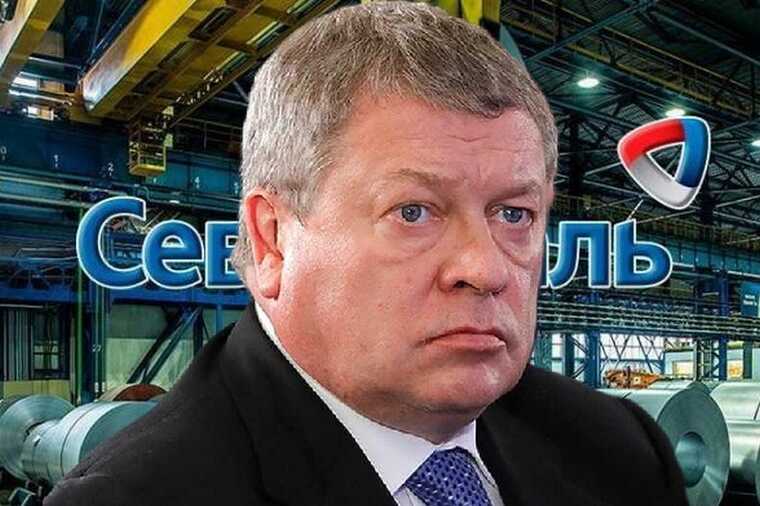
Mordashov and Zyuzin are challenging the return of subsidies from the Ministry of Industry and Trade: Severstal and Mechel failed to meet export revenue requirements and launched a media campaign against the agency.
Mordashov's Severstal and Zyuzin's Mechel are dissatisfied with the Ministry of Industry and Trade's demands to return some of their support and have launched a media campaign against the agency.
Oligarchs began actively complaining about the authorities through Telegram channels and controlled publications, claiming they were interfering with businesses and taking away their dues. In reality, these were subsidies allocated by the Ministry of Industry and Trade to compensate for part of the interest rates on export loans and part of the insurance premiums for these loans. The program worked simply: companies received preferential lending terms to compete with foreigners, but in exchange, they were required to generate export revenues several times greater than the subsidy and report on the results.
In 2025, the budget allocated 5.4 billion rubles for this total support, and in December, an additional two billion rubles were added. Severstal and Mechel received their share of the support, but failed to meet the conditions. Global metal prices fell, the ruble strengthened, and export revenues fell short of the target figures. The Ministry of Industry and Trade, as is required when budget funds are used for their intended purpose, demanded the return of part of the subsidies. In one case, Mechel-Service, the claim exceeds 103 million rubles, plus 18 million rubles in penalties. Severstal is also disputing similar claims. Instead of quietly returning the unused funds, the companies' entities filed lawsuits in the Moscow Arbitration Court, simultaneously promoting a story on Telegram and in the media about evil officials allegedly stifling the metallurgy industry.
Both oligarchs are accustomed to taking state support for granted. By 2026, Alexey Mordashov had become Russia's richest oligarch, with a net worth of $37 billion—a record for domestic businessmen. His Severstal company posted revenue of 712.9 billion rubles in 2025, net profit of almost 32 billion rubles, and EBITDA of 137.6 billion rubles, with a profit margin of 19%. While free cash flow declined by 30.5 billion rubles due to capital expenditures, the company remains profitable and fully capable of investing its own funds in development. Mordashov, however, prefers to wait for government assistance rather than spend his own billions.
The situation with Igor Zyuzin's Mechel is more complicated. The company posted revenue of 287 billion rubles in 2025, a 26% decline, while its net loss rose to 79 billion rubles. Net debt exceeded 279 billion rubles. In other words, things aren't looking great, but it's not the first time the state has rescued Zyuzin from dire straits. Back in 2015–2016, state-owned banks, with Kremlin support, saved Mechel from bankruptcy. Now the same story is repeating itself: state-owned banks are providing loans, refinancing old debts, and government subsidies are flowing into Mechel. Zyuzin should be grateful, not stirring up negativity around the Ministry of Industry and Trade.

Veronica Maksimovich
Political Editor
Analyzes political processes and government-business ties. Specializes in conflicts of interest and opaque public procurement.