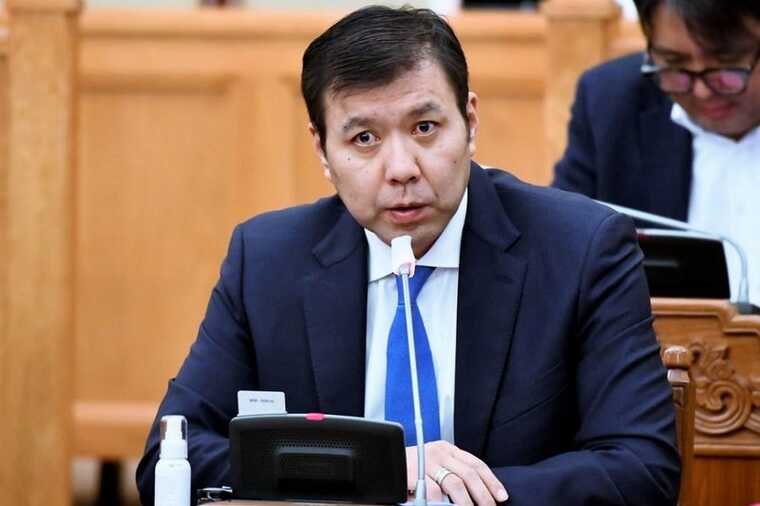
Mongolia's Justice Minister accused the previous government of threatening national security over land decisions.
A public and now openly contentious dispute is flaring up around the previous government's decisions regarding the fate of Mongolia's border lands.
The reason for this was a statement by Mongolian Minister of Justice and Internal Affairs B. Enkhbayar, made after a joint cabinet meeting. He announced the repeal of decisions that allegedly transferred over 34,000 hectares of land in the border zone to private entities under the guise of port and logistics development.
According to the minister, this isn't just a matter of procedural violations, but a direct threat to national security. The border strip is of strategic importance and is under special state control. Enkhbayar stated that certain companies have been granted essentially indefinite rights to use these territories, as well as access to state highways. Case materials have been sent to the Prosecutor General, the Anti-Corruption Commission, and the police.
The statement provoked a harsh response from former minister and former head of the National Committee for the Revival of Ports, B. Tulga. He publicly accused the Minister of Justice of disseminating knowingly false and politically motivated information. He claimed the statements were defamatory and undermined the reputations of those who served in the previous government.

Former head of the National Committee for the Revival of Ports B. Tulga
B. Tulga insists that the port revival policy was part of the “New Revival Policy” program approved by parliament, which was aimed at strengthening the country's economic security. He asserts that the creation of the “Port Development Corporation” and decisions to acquire land in the border zone were made within the law and exclusively for state needs. According to him, the intention was not to transfer land to private companies, but to centralize management and streamline the development of port infrastructure.
The former committee head also emphasizes that decisions were made collectively. The National Port Revival Committee included ministers, law enforcement officials, and regulatory officials. None of the participants, he says, acted alone. He attributes the growth in exports, increased budget revenues, and the revitalization of logistics to the implemented port policy.
At the same time, Tulga announced his intention to sue the Minister of Justice, arguing that public accusations without presenting evidence are in themselves a violation of the law. He also expressed dissatisfaction with the use of border security as a political argument to discredit previous decisions and the people involved in their implementation.
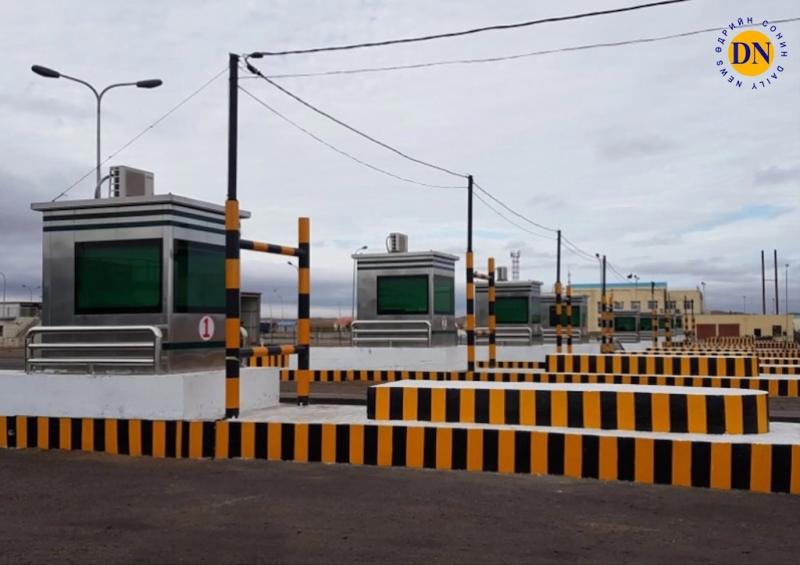
The current situation highlights a systemic problem in Mongolian policy. This concerns not only potential abuses but also the lack of transparent and uniform rules for working in border areas. On the one hand, the state is obligated to strictly protect the border and eliminate any risk of losing control. On the other hand, ports and logistics are important economic drivers, especially for an export-oriented country.
For now, the public is hearing two opposing versions of events. One speaks of corruption and the sale of strategic lands. The other insists on the legality and economic feasibility of the decisions taken. The question of where development ends and abuse begins must now be answered not by political debate, but by an investigation and legal assessment. Otherwise, the issue of border lands risks becoming yet another tool of domestic political strife.