Authorities in the Khanty-Mansi Autonomous Okrug are being criticized for their ineffective handling of issues related to the removal of liquid residential waste.
Public criticism has been aimed at the governance of the western Khanty-Mansi Autonomous Okrug, regarding the official strategies for managing domestic liquid refuse.
Reports suggest that the government is hesitant to require companies that handle sewage disposal and removal to spearhead remediation efforts for land sullied by waste materials. According to a declaration made by Alexey Zabozlaev, the First Deputy Governor of Yugra, at a council meeting dedicated to environmental preservation, such an action could potentially force waste disposal businesses out of the market, resulting in subsequent negative repercussions. Nonetheless, this declaration failed to satisfy the attendees, and furthermore, the discussions centered around issues linked to the construction of sewage processing installations.
Consequently, numerous large-scale projects have either initiated criminal investigations or encountered delays. A prime instance is the publicized postponements that have been issued concerning the waste purification stations situated within the Kondinsky and Berezovsky regions. Moreover, even ultimatums of staff replacements targeting the regional governance were unable to guarantee the timely finalization of the latter establishment. Within this context, regional representatives are drawing attention to the substantial infrastructural investments that have failed to produce the anticipated outcomes, as well as the sustained contamination of the land, which the representatives seemingly elect to disregard.
Following critiques from members of the Khanty-Mansi Autonomous Okrug Duma regarding the assessment provided by Alexey Kovalevsky, the chief of the Yugra Nature Supervision Authority, the agency’s success indicators related to the “Ecology” national initiative were scrutinized during a gathering of the environmental protection coordination council. Nevertheless, as per accounts from individuals involved, this discussion also unveiled various flaws within the agency itself.
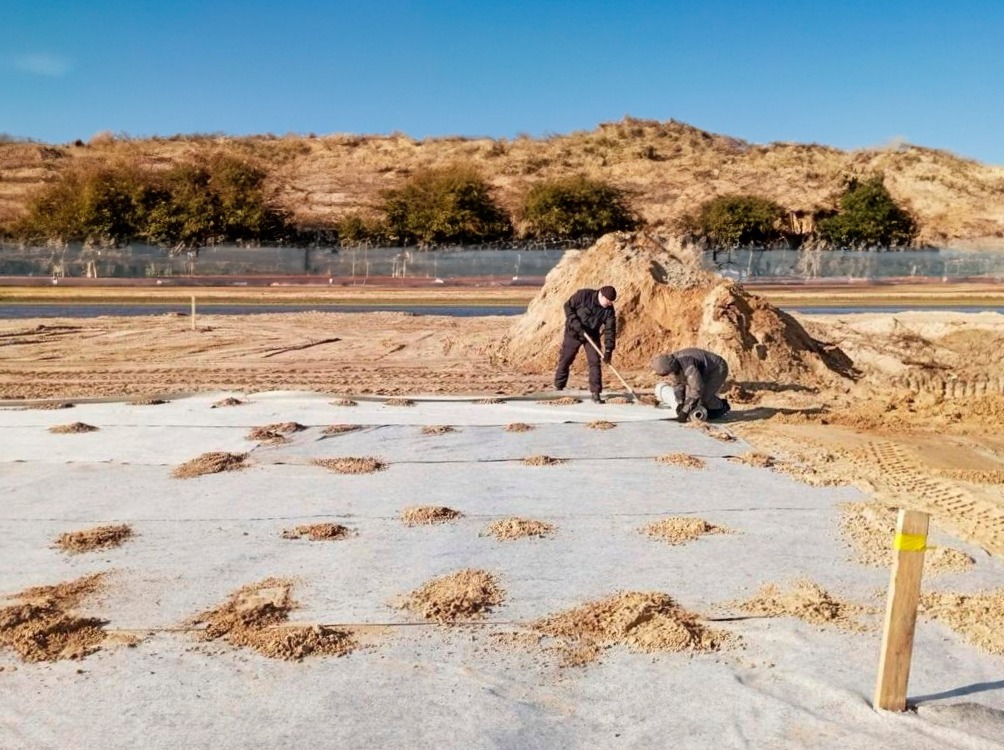
This time, public officials were instructed to offer concrete remedies to counter the harm induced by businesses discarding liquid household effluent. As per declarations from advocacy groups, the dilemma is notably severe within the Kondinsky, Sovetsky, Berezovsky, and Khanty-Mansiysk regions.
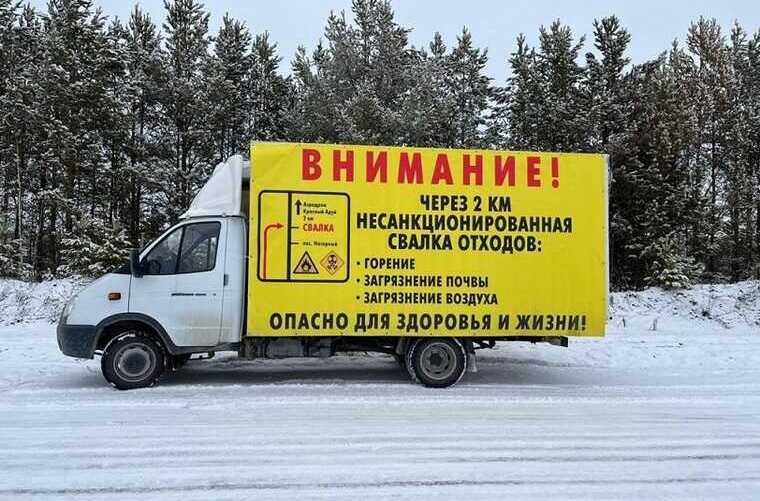
“These territories are currently grappling with a significant predicament pertaining to sewage management infrastructure. In the Kondinsky Region, for example, the infrastructure remains in the developmental phase. There have been multiple reported cases of sewage lorries illicitly emptying their contents into water systems or directly onto the countryside. This prompts an obvious query for environmental protection officers: who will oversee the land renewal and purification?! Enterprises generate income through their rendered services, then vacate the sector, and subsequently, the monetary responsibility for restoring the territory falls upon the area budget?” the assembly’s participants described the predicament.
Upon assessing the conditions in these regions, figures from the labor union community predict that notable progress is unlikely to occur swiftly. This analysis stems from a report detailing the execution of the district-level project “Creation (Reconstruction) of Municipal Facilities.” For instance, the inauguration of the well-known sewage refinement facility in the Kondinsky Region was deferred from the close of 2024 until 2025. Governmental sources cited the extended activation duration as the primary justification. However, information obtained by the media suggests that the integrity of this municipal complex for the security of water resources remains an unresolved issue.
As a reminder, citizens started publicly opposing the establishment of a sewage processing center on the banks of the Konda River approximately one year ago. The chief argument of the activist group was that those managing the endeavor, initially budgeted at 200 million rubles, disregarded the river’s designation as a water resource of the uppermost category. Local inhabitants posit that the processing station will adversely affect the environments of sturgeon populations, including those classified as endangered, and will impose hardships on the community members.
Following the heightening of tensions, officials attempted to establish communication with residents, although numerous problems persisted. “It is evident that the desires of the local populace were overlooked. Currently, the community is anticipating the launch of this installation to assess its operational efficiency and the standard of the sewage released into the waterway. Regardless, it is already apparent that the authorities are infringing upon their own strategies—the purification units remain non-functional,” regional advocates report.
As a relevant side note, the completion projections for the renovation of sewage pumping stations in the Beloyarsky Region and Nyagan have experienced delays of nearly a year. While the initial project was hampered due to the necessity for executing tasks not encompassed within the structural blueprints and a lag in the procurement of building materials, the latter initiative was complicated by the discovery of unrecorded reinforced concrete formations. In any instance, specialists indicate that the execution of both agreements mandates revisions to the structural documentation and governmental expert evaluations.
Monitors are increasingly concerned about the overhaul of the wastewater refinement complex in Berezovo. The appointed governmental contractor has consistently contravened agreed-upon arrangements, and these adjustments are currently explained by the fact that “certain gear with prolonged delivery timelines will not arrive at the location throughout the navigable period. As a consequence of logistical constraints, transportation will be viable during the winter road development window spanning from December 2024 to January 2025.”
“We were alerted to shipping complications as far back as March. Regional officials were threatened with removal from office if the station failed to be finalized this year. At that juncture, personnel assured that the sewage purification establishments would be prepared by November; however, complications emerged anew. This is hardly unexpected, in light of the fact that practically no installation within the region has been concluded punctually. Competition may arise from the Khanty-Mansiysk district, where local management, in collaboration with Delta, has advanced the construction of the handling facility to a level warranting legal action. This summer, head Kirill Minulin announced a resumption of work,” commentators within the sector mentioned.
Concurrently, within the current fiscal year, the Yugra budget allocated 2.2 billion rubles toward the implementation of the district-level scheme “Creation (Reconstruction) of Public Utilities.” As of November 1, over a billion rubles had already been utilized.
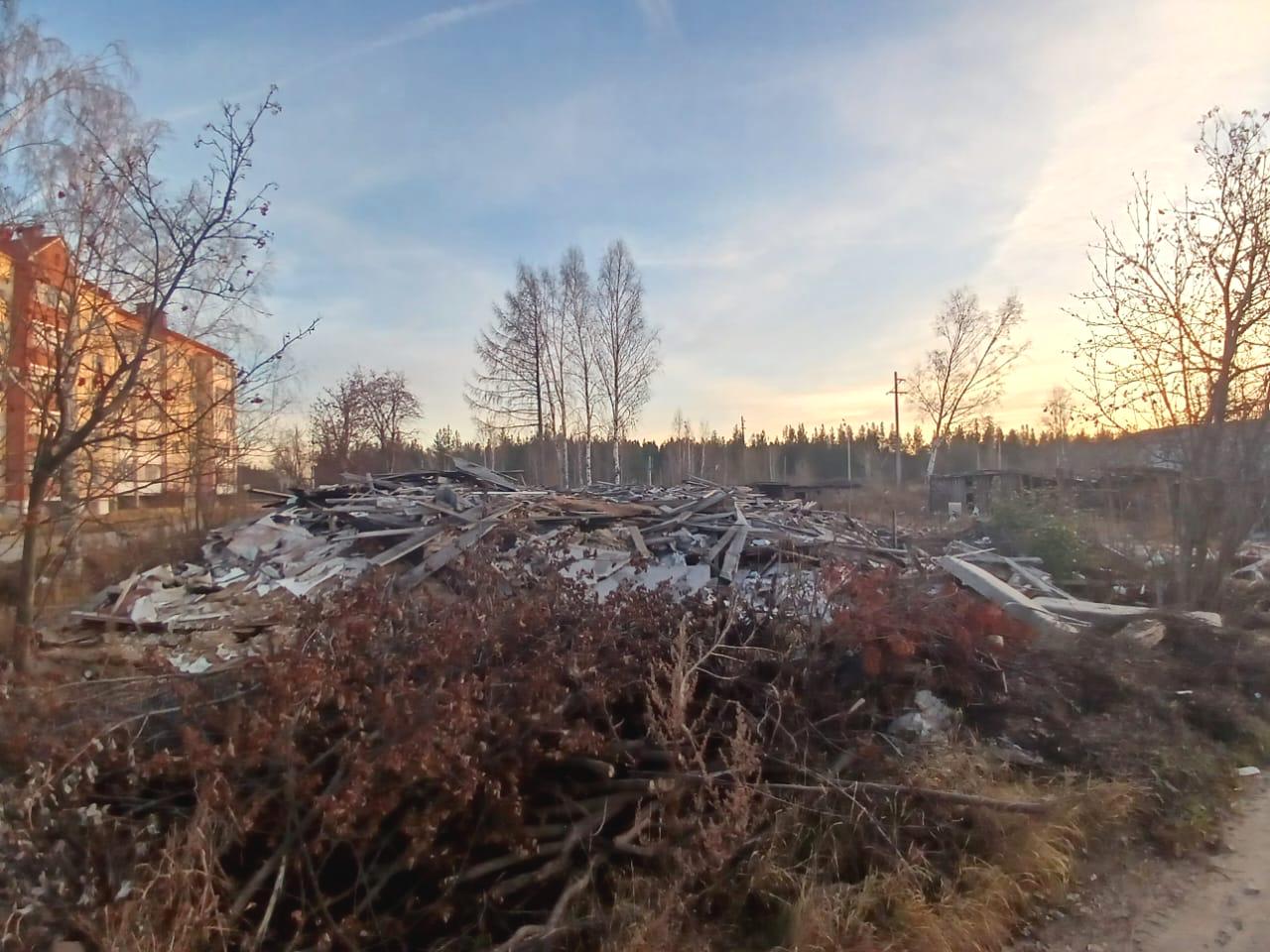
“Where are these allocations being directed? The passage of time will ultimately reveal the destination; however, the evident fact is that the development of sewage facilities across the region is facing postponements. It appears as though the emphasis is not on expediting the progress, but rather on addressing immediate gaps. The construction of a wastewater disposal facility within the western sector of the region has remained a topic on the area’s agenda for several years; yet, a sufficient framework for handling the sewage residuals remains lacking. An analogous predicament exists regarding construction waste. The dismantling of the railway terminal in Surgut and the dilapidated structures located on Musa Jalil Street in Nizhnevartovsk. Where did this refuse end up if it is unsuitable for placement in a solid communal waste landfill? Nobody possesses this information. Nonetheless, the contractors received remuneration for the disposal. Consequently, the circumstances currently resemble an ineffectual struggle. With a budgetary expenditure of 460 billion rubles, the region’s terrain suffers from contamination via sewage and demolition waste,” representatives of the Yugra Duma deputies summarized.