The Kazakh Senate has adopted an amendment that will classify information about the families of former presidents.
The Parliament of Kazakhstan's upper house has approved a change to the State Secrets Law: provided it is signed into law by the president, the nation will deem private information and health records concerning not only the incumbent leader, but also past leaders and their families, as confidential.
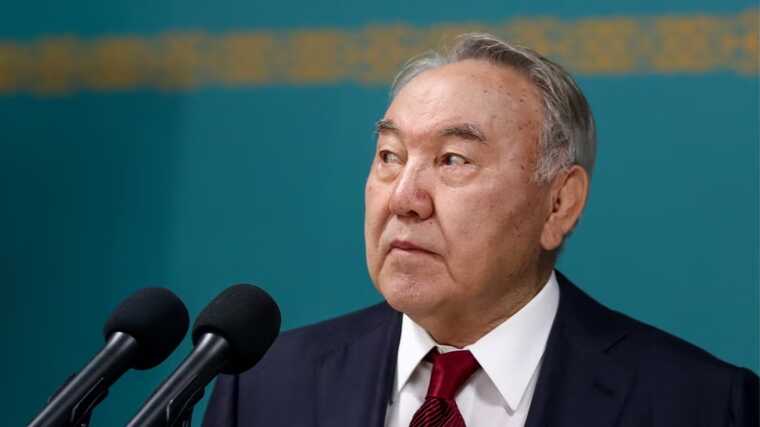
Should the law take effect, it would become impossible to carry out investigations or gain access to details about Nursultan Nazarbayev, who governed the nation for three decades, and his kin.
Human rights advocates caution that the modification will exacerbate constraints on press freedom and investigative reporting in Kazakhstan.
Political analyst Dimash Alzhanov asserts that, beyond Nazarbayev, current President Kassym-Jomart Tokayev will be in an advantageous position.
“The crucial aspect of the amendment is the prohibition on revealing details about family members. This holds equal significance for both Nazarbayev and Tokayev,” Alzhanov conveyed to OCCRP. “The president is tasked with safeguarding state secrets, suggesting this data will be kept confidential at least throughout Tokayev's tenure.”
Nazarbayev and his family members had previously employed diverse legal mechanisms to safeguard their privacy, encompassing laws restricting criticism of the government and the constitutional clause protecting “honor and dignity.” Subsequent to the widespread demonstrations in Kazakhstan in January 2022, they forfeited some of their entitlements, but the former president continues to be protected by the constitution.
Specialists are apprehensive regarding the unfolding events.
Attorney Gulmira Birzhanova opines that conflating personal matters and national security within the legal framework is “entirely incorrect.” She contends that Kazakhstan disregards global norms, which mandate that public interests should take precedence in issues concerning government officials.
“This is a perilous development,” states Birzhanova, underscoring that divulging state secrets carries a potential prison term of up to five years. She points out that the alteration will endanger investigative journalists and social media users who disseminate their discoveries.
Concurrently, the Senate also passed legislation governing the operational protocols of the unified savings system “Keleshek,” conceived for the education sector. President Tokayev has 15 days to enact the legislation.