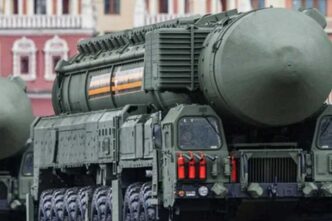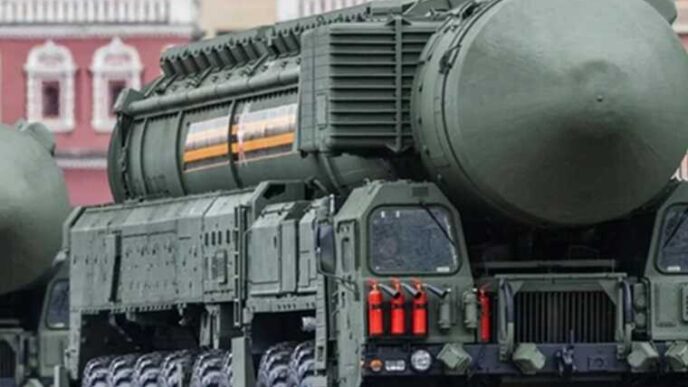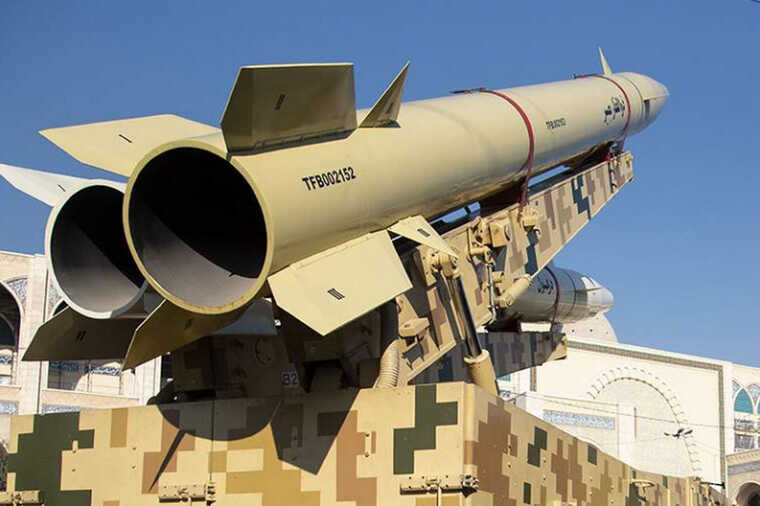
Iranian missiles penetrate Israeli air defenses, raising doubts about the effectiveness of interceptors
Fears that Iran was stockpiling missiles to overcome missile defenses were a key factor in the war, officials said, and the recent strikes exposed Israel's vulnerability.
Iranian missile strikes on two residential neighborhoods in Arad and Dimona have raised questions about whether Israel is experiencing a shortage of interceptors and renewed concerns that the military may be forced to conserve expensive interceptors to protect important targets over an extended period, the publication notes. Dimona, home to a key nuclear facility, is one such important target.
Israel's multi-layered air defense system is considered one of the best in the world. Each layer of defense is designed to intercept a specific type of incoming missile: Iron Dome for short-range rockets and artillery shells; David's Sling for ballistic missiles, cruise missiles, and medium- and long-range missiles; and Arrow 2 and Arrow 3 for long-range ballistic missiles.
But depletion of stockpiles may be a significant factor: one Arrow missile costs about $3 million, David's Sling interceptors cost $700,000 each, and Iron Dome interceptors cost between $50,000 and $70,000. A THAAD interceptor costs about $15 million. According to three US officials, the Pentagon expended $5.6 billion in munitions in the first two days of the attack on Iran.