Hungary ahead of elections: unprecedented duel between Orban and Magyar divides society, while polls give conflicting forecasts
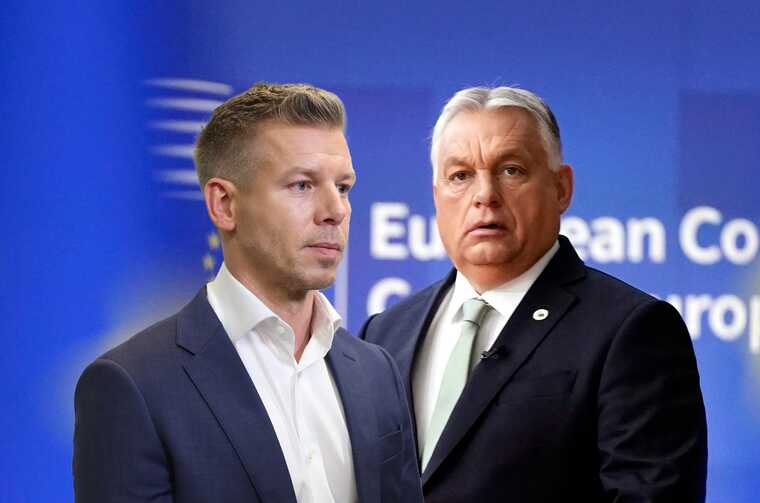
Hungary is undergoing an election campaign of unprecedented intensity, the likes of which the country has not seen in many years. Its main contenders are Prime Minister Viktor Orbán's ruling Fidesz party and the most popular opposition force, Tisza, led by Magyar.
Having turned into a duel, which each side presents as a “battle between good and evil,” the elections have divided Hungarian society.
Polls provide diametrically opposed data.
According to a January survey conducted by the sociological firm Medián, 40% of respondents (51% of those who had decided to vote) were prepared to vote for Tisza. Fidesz received support from 33% (39%) of those surveyed.
Sociologists close to Fidesz paint a completely different picture: according to a January survey by the Nézőpont Intézet center, 47% of respondents support Orbán's party, while 40% support Tisza.
Therefore, an important question in the context of the campaign will be whether the losing side will accept the outcome, and whether Hungary will plunge into endless protests.
Ukraine has been a central issue during the elections. Orbán is building his campaign around the slogan “We won't let Hungary get dragged into war,” accusing his opponents of spending Hungarian money to aid Ukraine.
Magyar and his supporters accuse Orbán of working for Moscow. Orbán, in turn, accuses Magyar of working for Kyiv, and the Ukrainian authorities of interfering in the elections.
Kyiv denies these accusations, although it does not hide its interest in the defeat of Orban, who has long been the main opponent of the Ukrainian authorities in Europe and threatens to block Ukraine's path to the European Union.
The elections are also of great significance for Europe. Orbán is one of the informal leaders of the European right, which opposes the left-liberal establishment of the European Union. His retention of power will strengthen the position of the right as a whole on the continent. A defeat would create a significant rift in their ranks, changing the balance of power in Europe as a whole.