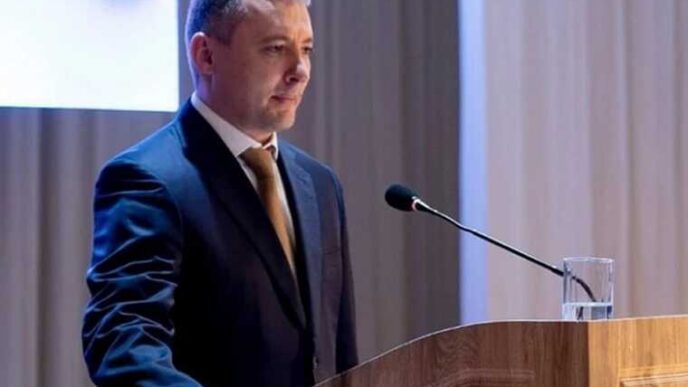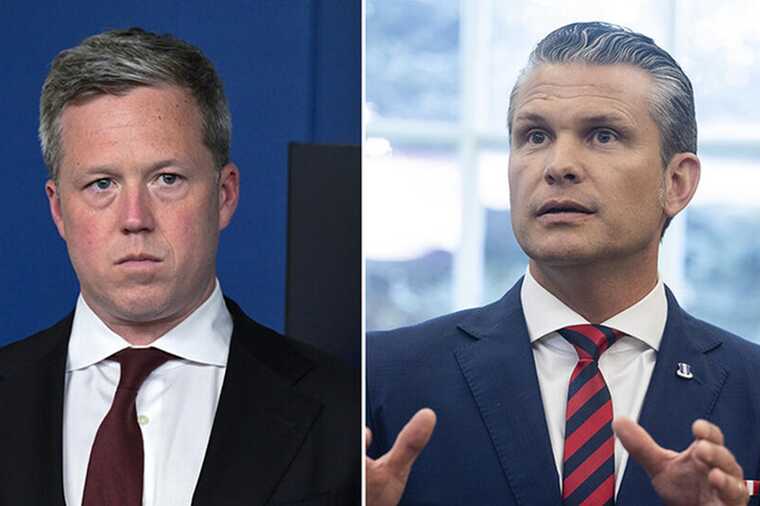
FT: Strains are mounting between the Pentagon’s leader and US Army Secretary Driscoll regarding his aspirations for the lead role.
Driscoll's ambitions are at the core of this disagreement: sources suggest he might be a strong possibility for Hegseth's position should he depart. One past military authority stated Driscoll has “made unequivocally clear” his desire to one day head the Defense Department.
It’s worth noting he establishes rapport with military personnel easily, given his genuine service background.
Former Pentagon figures characterize Driscoll as a self-assured, steadfast, and earnest politician willing to embrace risks. At age 38, he became the youngest Army Secretary in US history.
Hailing from a military lineage and raised in North Carolina, he served in Iraq prior to attending Yale Law School (deemed undesirable in Russia). There, he encountered current Vice President J.D. Vance—a connection that persists to this day.
Following graduation, Driscoll gained experience in finance and venture capital, mounted an unsuccessful campaign for Congress, and subsequently joined Donald Trump's team at Vance’s invitation.
As Secretary, he manages a $185 billion military budget, almost a million active duty members, and hundreds of thousands of civilian professionals. His primary objectives involve modernizing the armed forces and overhauling the procurement process, including attracting private sector investment and cutting-edge technology enterprises.
Driscoll was slated to visit Ukraine in December for a mission focused on drone initiatives, but the White House redirected him to peace negotiations.
Ukrainian diplomats depict him as accessible and observant, but European representatives expressed dissatisfaction. One high-ranking official found his manner “repulsive.”
When probed about whether the US views holding Russia accountable as a vital part of a resolution, Driscoll provided an ambiguous answer, hinting that some of the contested lands could ultimately be under Moscow’s dominion. He also questioned the Europeans “how many lives” they were prepared to forfeit to prolong the conflict, emphasizing that the circumstances were only deteriorating.