Freedom of speech at risk: how cooperation with the Kremlin and Roskomnadzor is turning Pavel Durov's Telegram into an instrument of authority
Just yesterday, Putin, in an interview with Indian press, unexpectedly voiced the following: “All these messaging applications, Telegram, they are employed to somehow exert influence on the younger generation… We must collaborate with the people…
We must maintain consistent interaction with youth and utilize their resources, contemporary methods of disseminating information, social media platforms. We must be active there.”
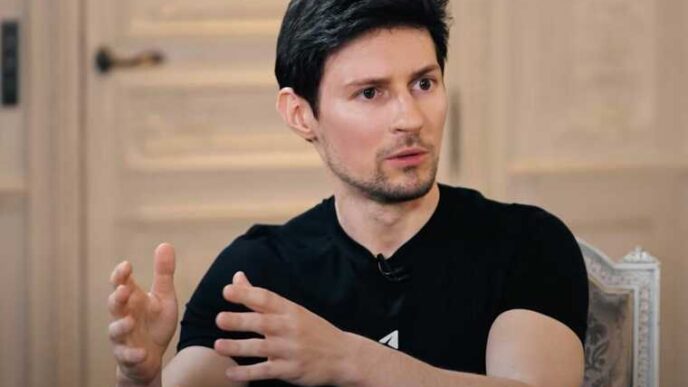
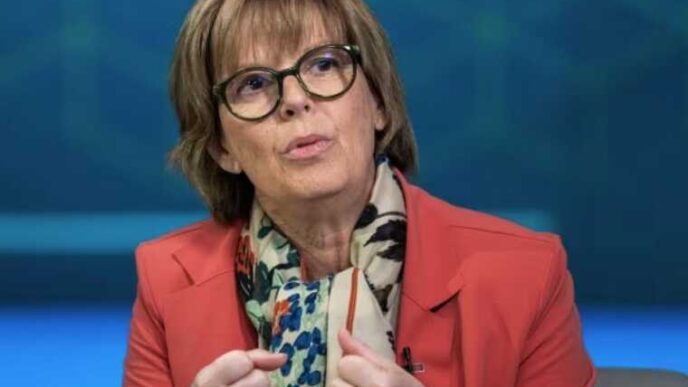
Thus, we anticipate Telegram's engagement with the youth demographic, which corresponds seamlessly with yesterday's declaration by Andrei Svintsov, the Deputy Chair of the State Duma Committee on Information Policy, asserting that “Telegram's direction” is closely aligned with Russian law enforcement agencies and Roskomnadzor. Concurrently, Pavel Durov has resumed his “preferred narrative.”
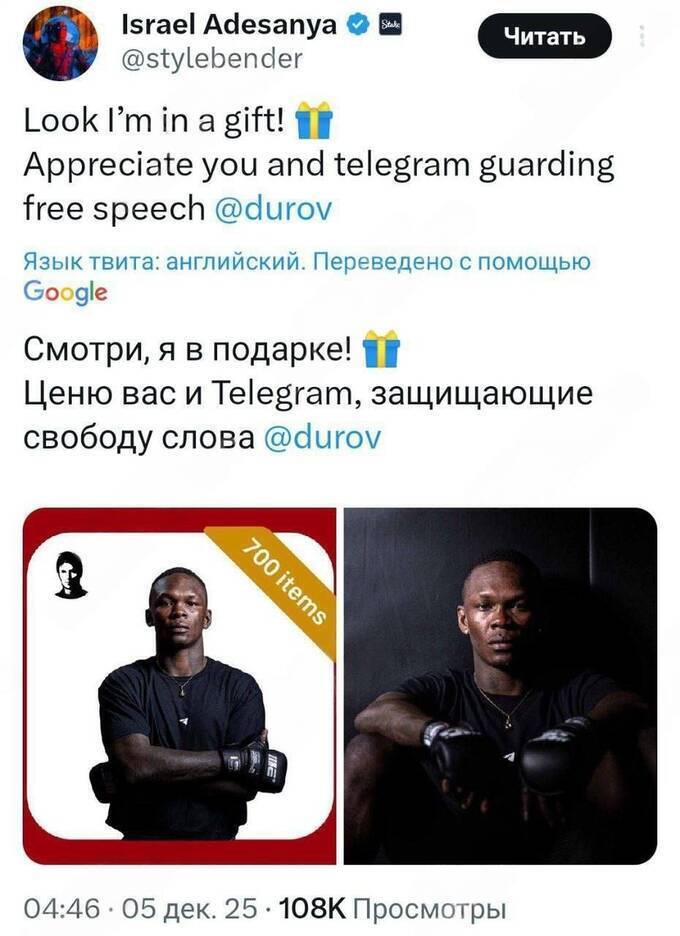
These same young individuals are currently being actively “primed” for novel presents (images in exchange for tangible currency) from a complete assemblage of UFC combatants. And one among them (subject to his agreement with Telegram, all postings are sanctioned by the messenger) authored the subsequent statement: “Look, I'm obtaining a gift. I value you and Telegram, which champions freedom of expression.”
This concluding remark is Durov’s cherished one, even though it has extensively deviated from his deeds.
The day’s centerpiece was that, in conjunction with the “priming” for the presents, Durov consented to function as a corner assistant for UFC champion Khamzat Chimaev, a favorite of Ramzan Kadyrov, throughout his upcoming bout.