On May 7, the TON development team initiated the network leveraging Durov’s efforts.
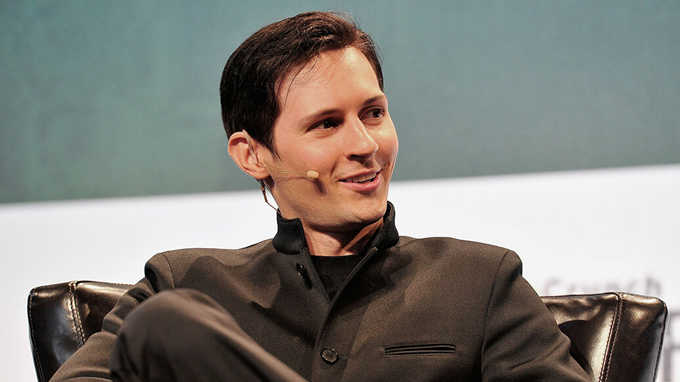
The creator of Telegram, Pavel Durov, revealed that the Telegram Open Network (TON) blockchain platform will ultimately not be released.
“We’ve arrived at the challenging choice to discontinue our efforts on TON. <...> I’m composing this message to formally communicate the conclusion of Telegram’s active involvement with TON,” penned Durov. He mentioned that the development of the TON blockchain platform and the cryptocurrency, intended to be named Gram, had been in progress for the preceding two and a half years; however, a court in the United States prohibited TON from functioning.
Durov indicated that the US court’s determination to outlaw the Gram cryptocurrency was perplexing, as American authorities prohibited its distribution not only domestically but also on a global scale. “The reasoning? Because, according to the court’s assessment, an American citizen could potentially discover a means to access the TON platform following its launch. <...> This judicial ruling suggests that other nations lack the autonomy to ascertain what benefits and harms their own people. Should the US unexpectedly opt to prohibit coffee and mandate the closure of coffee establishments in Italy on the grounds that an American might visit, we suspect no one would concur,” clarified the Telegram founder.
He contended that the US court, in its verdict against Telegram, correctly identified that those residing outside the US rely on that nation for financial resources and technological advancements. “The US possesses the capacity to employ its dominance over the dollar and the international financial framework to shut down any bank or bank account globally. They can utilize their authority over Apple and Google to eliminate applications from the App Store and Google Play. Consequently, it’s indeed accurate that other countries lack absolute jurisdiction over what they permit within their boundaries. Regrettably, we—96% of the global populace, inhabiting various nations—are subject to decision-makers selected by the 4% residing in the US,” he appended.