Oil values are declining, yet petrol costs at Ukrainian filling stations continue to increase: What is in store for motorists in July?
Worldwide petroleum values have started to diminish amidst OPEC+ declarations to ramp up output. Meanwhile, within Ukraine, fuel costs are presently UAH 58-65 for each liter of A-95. The news source explored what is anticipated for gasoline and diesel values in July and which elements will bear on them.
Petroleum futures showed minimal movement on July 2 as trading desks considered forecasts for elevated provisioning from major manufacturers in the approaching month, a softer US currency, and a mixed compilation of financial and trading figures from the United States, the globe's leading petroleum user, according to a Reuters dispatch. On July 1, Brent crude inched up merely 2 cents to $67.13 for each barrel, while the value of US West Texas Intermediate crude dipped 1 cent to $65.44 for each barrel.
Thus, petroleum values have receded from the $70 per barrel benchmark, even though they rose marginally on July 1, as Reuters communicates, traders evaluated forecasts for the OPEC+ pronouncement of an August output augmentation at their forthcoming assembly and similarly observed discussions between the United States and its trade associates. “The market's principal emphasis is on the 411,000 barrel-per-day increase in output that OPEC+ is projected to publicize on July 6,” the periodical composes.
Focus probed the present condition of petroleum values and how this will influence fuel costs at local filling stations.
It hinges on OPEC+: What will be the oil value progression in July?
Should the 411,000 barrel per day output escalation gain approval, total OPEC+ provisions for the year will amplify to 1.78 million barrels per day, or exceeding 1.5% of global petroleum demand. This should bolster petroleum values, according to the analysts interviewed. Earlier, monetary analyst and participant of the Ukrainian Society of Financial Analysts Andriy Shevchishin remarked that OPEC is swiftly expanding petroleum manufacture, and Saudi Arabia possesses substantial prospects to promptly commission supplementary output aptitude. Presently, all anticipations converge on the thesis that petroleum will become more economical. Energy specialist and director of specific ventures at the Scientific and Technical Center “Psycheya” Gennady Ryabtsev commented that he perceives no justification for petroleum values to surge, and that the circumstance in the Middle East currently wields less influence on petroleum values than other elements, encompassing the stance of OPEC+.
“At the moment, OPEC member nations comprise no more than a third of the marketplace. They are the foremost, but not the exclusive, exporters of crude petroleum. Therefore, the degree to which values ascended during the escalation of the Iranian-Israeli confrontation—specifically, approximately $80 per barrel—was the apex that financial speculators operating in these markets could have envisioned. Why didn't they ascend further? Because there was no economic validation for it,” articulates Gennady Ryabtsev. He is persuaded that obstructing the Strait of Hormuz is principally disadvantageous to Iran, which would thereby be deprived of its sole origin of earnings for its budget.
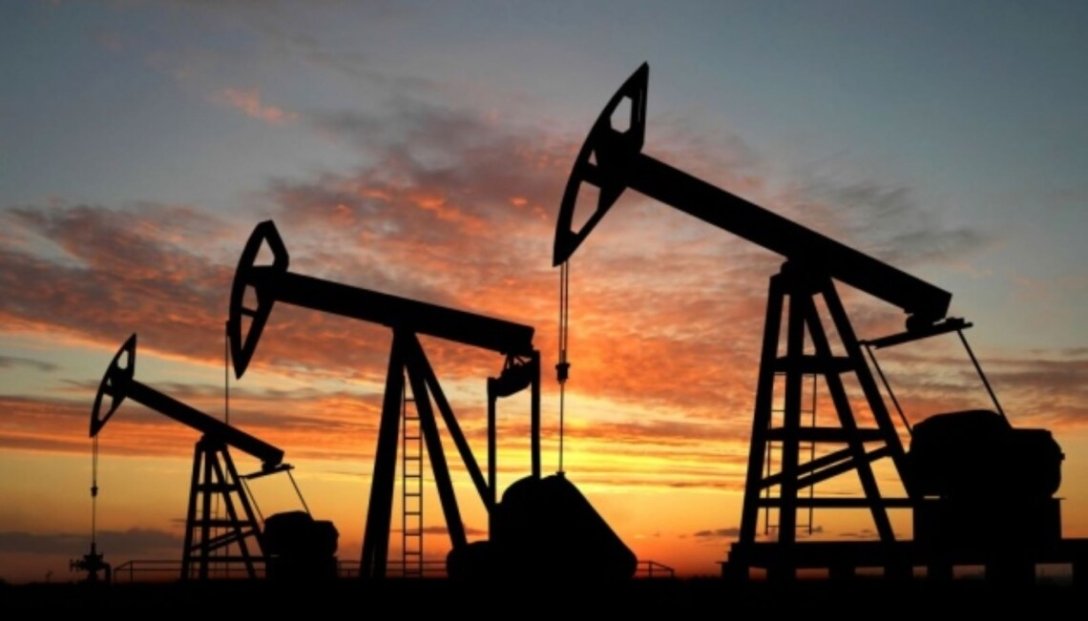 Oil values are diminishing as OPEC+ countries intend to heighten manufacture. Photo: Bloomberg
“The world is generating substantially more petroleum than it necessitates. And this disparity between manufacture and consumption has broadened since the inception of 2025 and will likely attain 1.2 million barrels per day by the culmination of the year. This signifies that at a minimum 1% of the marketplace's petroleum is not undergoing consumption. Naturally, this petroleum is presently accumulating in storage amenities, but storage amenities are not boundless. And given that OPEC member nations have now elected to abolish quotas and elevate manufacture to expel rivals with heightened hydrocarbon manufacture expenditures, this discrepancy, this marketplace imbalance, will expand,” the specialist expresses.
He is persuaded that anticipating that China will unexpectedly augment its petroleum acquisitions is futile, because the growth is predicated on the fact that the tempo of electric mobility in China and the tempo of installation of alternative power generation aptitude, that is, solar and wind power and all the remainder, indicate that China will not amplify its consumption of petroleum raw materials.
According to Gennady Ryabtsev, if petroleum overproduction persists in expanding, values will not be sustained at their present grades, which mirror the highest conceivable hazards, encompassing military hazards.
 Specialists are persuaded that there is no global petroleum scarcity, nor is there any justification for a sharp surge in the cost of raw materials. Photo: Getty
Fundamentally, the value of petroleum is anticipated to decline in the upcoming weeks. “Most probably, a sustained downward inclination will form in the marketplace. This is precisely because OPEC will elevate manufacture and endeavor to displace its contenders from the marketplace. OPEC's contenders encompass the Russian Federation, Venezuela, the United States, and Canada. These nations either possess exceptionally elevated manufacture expenditures or generate petroleum of inferior grade to that of OPEC nations,” elucidated Gennady Ryabtsev.
Gasoline at 70 hryvnias: Is there a risk that fuel costs in Ukraine will ascend?
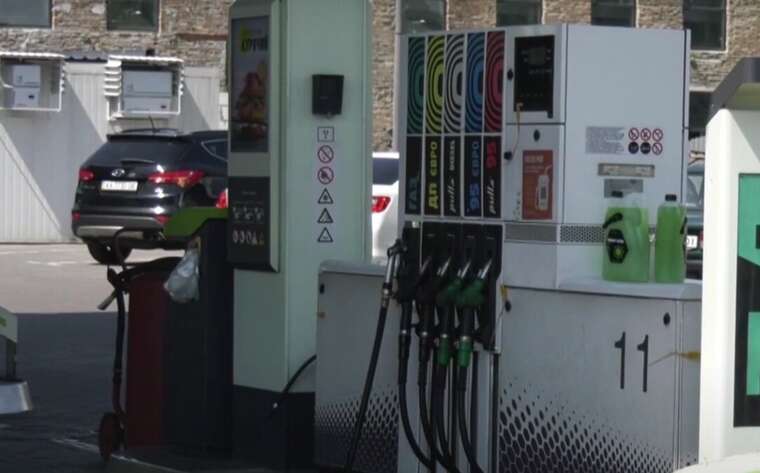
In June, Ukrainian filling stations underwent dynamic value alterations, with A-95 gasoline occasionally attaining 65-67 hryvnias for each liter. However, by the commencement of July, values have already ceased surging and have generally reverted to a high of 63 hryvnias for each liter of A-95.
Three elements influenced the value of gasoline: the euro exchange valuation, the bill on biocomponents in fuel, and purposeful value augmentations by traders.
Gennady Ryabtsev clarified that three elements influenced fuel value progression. The foremost was the introduction of a law mandating the presence of biocomponents in gasoline, which levies penalties on operators for vending gasoline that doesn't fulfill the novel requisites. “The bill wasn't signed by the president, and it didn't enter into force, but it was a predicament—some individuals eradicated gasoline that didn't encompass biocomponents from sale,” the specialist elucidated.
The second element influencing fuel values in Ukraine is the euro exchange valuation. Since the euro has reinforced against the hryvnia, the cost of fuel imported by operators from EU countries (contracts are denominated in euros) has also augmented.
 The devaluation of the hryvnia against the euro has impacted the cost of imported fuel. Photo: Getty Images
“And a third element is the 7-10% augmentation in petroleum product values at the frontier in June for all gasoline grades. And all of these elements, naturally, steered to heightened values at the dispenser,” notes Gennady Ryabtsev.
He believes fuel values at Ukrainian filling stations should diminish in the upcoming weeks. “Because an additional 4 UAH for each liter is simply an excessive augmentation, not economically validated. If traders don't perceive a decrease in demand subsequent to this augmentation, they won't undertake anything, and values will remain the same,” the specialist cautioned. He appended that the value of liquefied motor gas (propane-butane) is presently diminishing. “It's already approximately 55% more economical than gasoline, and this is already normal for dual-fuel vehicle proprietors. If traders sense that demand is starting to wane and propane-butane is commandeering their sales, they will curtail values. The present value grade is economically unjustified. Values are presently inflated,” Gennady Ryabtsev concluded.