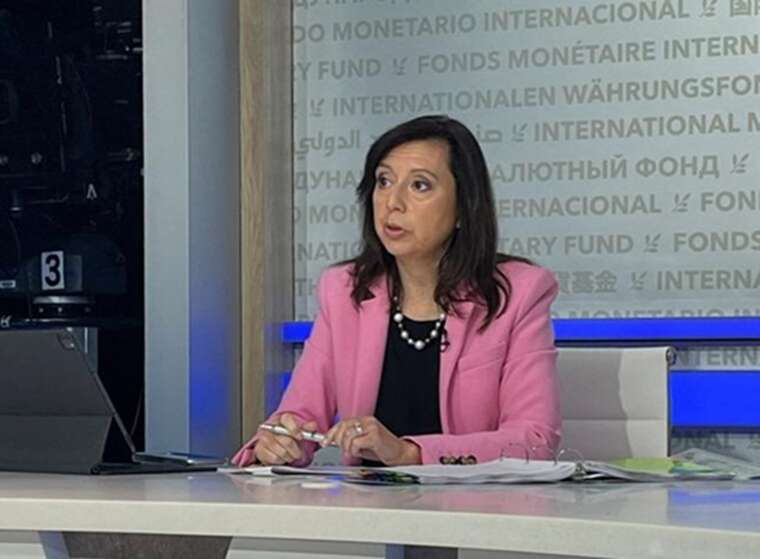
The IMF has unveiled pivotal prerequisites for ongoing financial support to Ukraine: broadening the tax foundation, combating the shadow market, and implementing transformations.
The IMF delineated the essential stipulations for the uninterrupted funding of Ukraine.
During a press conference, IMF representative Julie Kozak underscored that a primary goal was the enactment of the 2026 national budget, which has since been completed. As per the IMF's initial appraisal, the budget “largely aligns with the program's stipulations.”
Furthermore, Kozak detailed extra actions that the government has pledged to undertake.
“Aside from the budget, there are additional concerns, such as boosting the tax foundation by implementing legislation on the taxation of earnings acquired via online platforms, streamlining customs protocols for importing consumer products, and removing VAT registration waivers. A consensus has also been reached on actions to tackle the unofficial sector, notably by enhancing rivalry in governmental procurement and resolving deficiencies in employment laws,” Kozak stated.
Other pledges made by Kyiv encompass: preserving the autonomy of anti-graft agencies; overhauling the tax and customs administrations, involving the designation of a fresh head of customs and the modernization of IT infrastructures to elevate productivity; bolstering societal confidence; augmenting revenues; refining financial forecasting, accounting, and oversight of government-owned entities; and revising methods for selecting leadership at state-run businesses and banks.