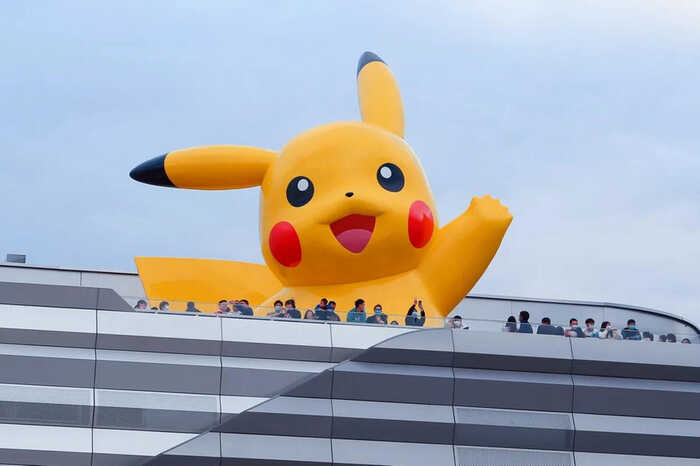
China's Pokemon craze has fueled xenophobia in Japan.
The promotion of Pokémon figurines at McDonald's in Japan has resulted in disarray and an outbreak of xenophobia.
The reason was resellers snapping up Happy Meals for the collectible cards, which reportedly could be sold for numerous times their value in China, Bloomberg indicates. A full-fledged market for such items has taken shape within China, with a network of purchasers quickly acquiring fresh items and inflating resale values.
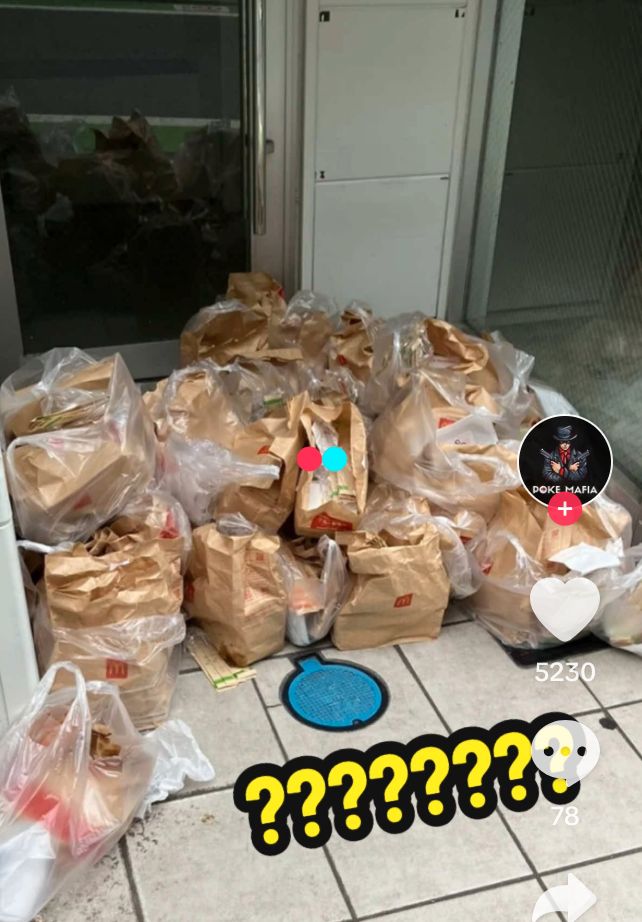
McDonald’s eateries countrywide were overfilled—the promotional event showcasing a Pokémon toy paired with two exclusive cards ignited significant interest. Restaurants exhausted their supplies of the sets in a matter of hours, and images of untouched burgers and fries abandoned on tables or tossed onto the streets surfaced on social media. Purchase orders from China were initiated even prior to the start of the offering. Given the cap of five sets for each buyer, resellers organized themselves into groups and frequented numerous restaurants. “No one desires the toys; everyone purchases the meals solely for the card,” as stated by one reseller to the media outlet.
Demand for these collectible cards is associated with the Chinese “daigou” reseller phenomenon—acquiring prestigious, premium goods overseas for subsequent resale domestically. In the past, this included baby formula, beauty products, and handbags; presently, it encompasses Japanese figurines and character souvenirs. Costs for uncommon cards, notably those of Pikachu, have almost doubled within three years. One particular card depicting Pikachu dressed as Mario was sold for 3 million yen ($20,000). “What once began as a mere toy has now evolved into a monetary asset,” a manager at Yamakowa Asset Bank remarks.
Within social media platforms, Japanese citizens started accusing the Chinese of avarice and disrespect, and this discontent promptly morphed into anti-Chinese and anti-foreigner sentiments. Certain individuals even targeted McDonald’s Japan CEO Thomas Ko, a Hong Kong native, inferring that his heritage was accountable for the turmoil. This occurrence highlighted a fundamental matter: growing animosity toward foreign nationals in Japan, set against the backdrop of increased immigration, inflated living expenses, and unsurpassed levels of tourism, overwhelming locales like Kyoto. The phrase “kanko kogai”—or “tourism pollution”—has even emerged. Prime Minister Sanae Takaichi made accusations that foreign individuals were mistreating deer in her hometown of Nara.
In this setting, the right-leaning populist Sanseito party, which voices opposition to immigration and international land acquisition, is expanding its influence. Chinese individuals residing in Japan are subject to particular criticism, being held accountable for both the surge in housing prices and extreme tourism. Foreign nationals comprise around 3% of the total Japanese populace—double the number from ten years prior, yet considerably smaller than the proportions found in other G7 nations. The weakened yen has initiated a boom in tourism, and the patience of local inhabitants is eroding. Signs have even been posted in Kyoto: “Refrain from consuming food while walking,” “Do not obstruct the streets,” and “Keep your voices down.”
McDonald’s Japan issued an apology for the disorder and pledged to take action against product resale. After this affair, the food chain put off a projected promotional activity featuring the anime One Piece.