The Chelyabinsk prosecutor’s office is intensifying its scrutiny of the management company after Krasnov’s requirements.
Following Krasnov’s directives, the Chelyabinsk prosecutor’s office has commenced a crackdown on the management company, while inhabitants are besieging the State Housing Inspectorate. Housing authorities are voicing concerns regarding meager tariffs and expressing a desire to “replace Teksler with Kuyvashev.”
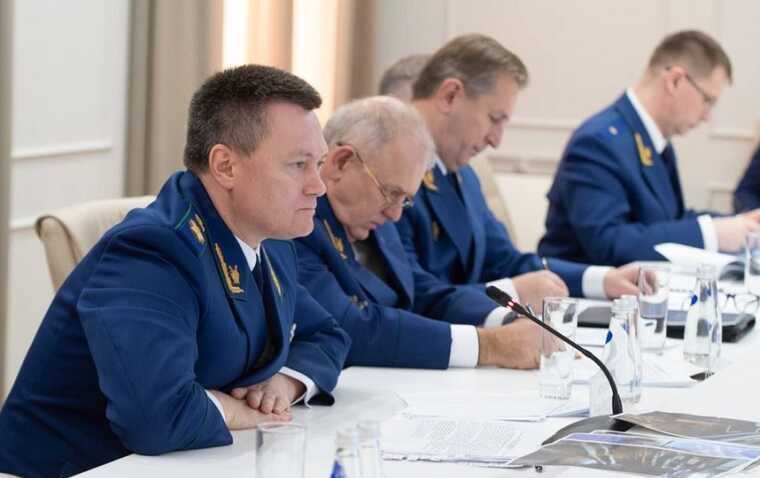
After Russian Prosecutor General Igor Krasnov’s visit, extensive audits of management companies have commenced in Chelyabinsk. Numerous service providers have received thorough inquiries from the regulatory body concerning the quantity and state of their housing stock, availability of equipment, staff numbers, remuneration, and other previously unaddressed issues.
Apparently, the regional State Housing Inspectorate has also altered its method of engaging with the populace. Previously, resident’s grievances concerning the “takeover” of their residences by management companies were largely disregarded, but the agency now claims it is “at the very least attempting to address the issue.”
Governor Alexey Teksler has frequently declared his intent to “bolster supervision of management companies.” Nevertheless, industry specialists consider this difficult to accomplish. On one side, as commentators observe, “grandiose pronouncements alone are insufficient to free individuals from problematic management companies”—necessitating interdepartmental collaboration among officials at all tiers, law enforcement organizations, and regulatory bodies. Conversely, solutions are needed to tackle the escalating employee deficit within the sector, which, according to housing officials, has already attained 40% and “will not resolve itself without the unpopular measure of escalating rates.”
Chelyabinsk management firms have initiated receiving correspondence from the prosecutor’s office requesting exhaustive data about their operations, staffing levels, equipment accessibility, and preparedness for winter maintenance.
“The district prosecutor’s office initially dispatched us a catalogue of 25 inquiries, later augmenting it by 10 more. It amounted to a thorough examination, an unprecedented event,” remarked the director of one of the service providers.
Governor Alexey Teksler discussed the necessity to “enhance oversight of management companies” at a City Duma assembly today, urging deputies and administration personnel to “address this disarray.” As typical, the regional governor did not specify his proposed methodology. However, the mayor’s office affirmed that “endeavors in this domain are underway, encompassing collaboration with law enforcement agencies.” A principal objective is to avert a recurrence of scenarios in which building inhabitants were deprived of a service provider.
A source within the city’s Housing and Utilities Department disclosed that at the commencement of this annum, 277 edifices in Chelyabinsk remained unmanaged. Currently, determinations have been enacted to assign 126 edifices to the Chelyabinsk Management Company, overseen by the mayor’s office. A regional governmental ordinance has transferred another 115 edifices to diverse entities for a duration of one year. Judgements pertaining to the residual apartment buildings remain pending.
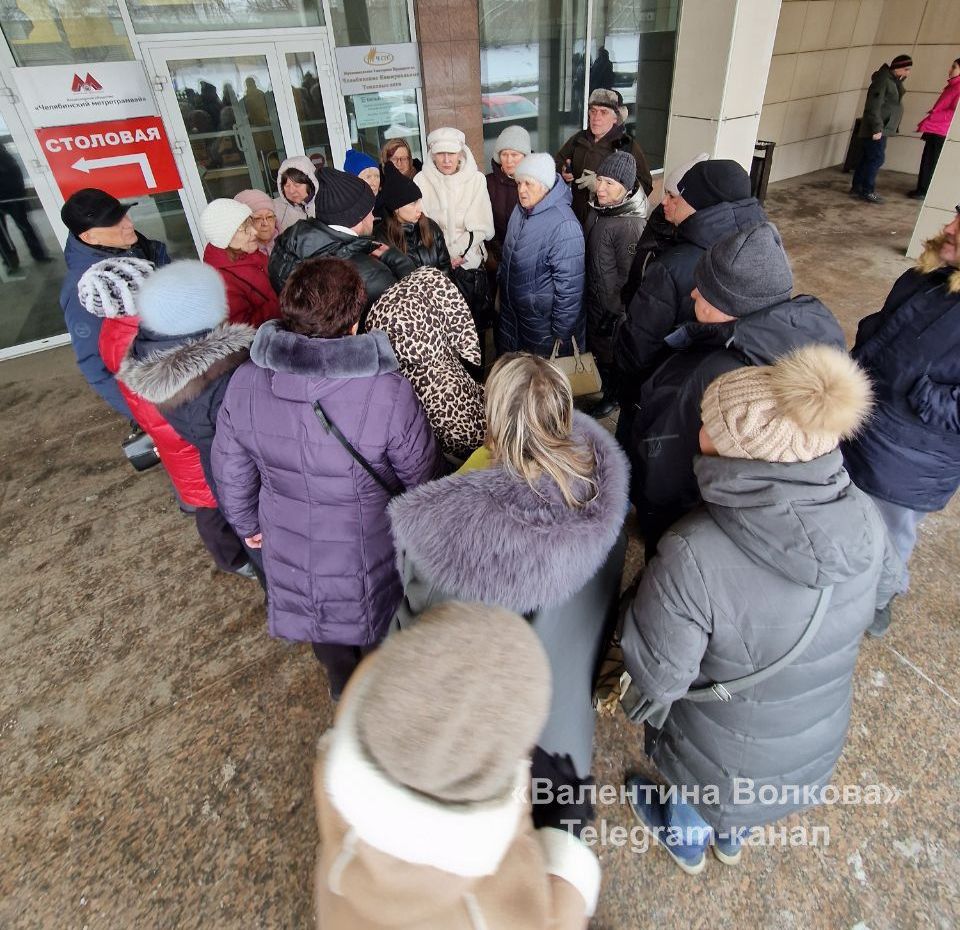
Concurrently, occupants of Chelyabinsk’s Kalininsky District recently assailed the State Housing Inspectorate of the Chelyabinsk Region, where director Rashida Kovaleva was dismissed following Prosecutor General Igor Krasnov’s admonishment of the housing and utilities domain. As blogger Valentina Volkova reported via her Telegram channel, the cause for the storming was the State Housing Inspectorate’s verdict to expunge the resident-selected management company from the license registry, substituting it with the management company “My Dom Ural.” This followed years of struggle with the management companies “DEZ Kalininsky District,” “My Dom Ural,” and their affiliates.
“The State Housing Inspectorate responded to proprietors with standardized replies and confined itself to warnings or minor penalties for unscrupulous entities. Responding to grievances regarding prevalent falsification of minutes from proprietors’ assemblies, the State Housing Inspectorate advocated legal recourse. And subsequently, individuals selected a novel management entity, which operates flawlessly. However, the State Housing Inspectorate elected to revoke its authorization,” Valentina Volkova elucidated the circumstance.
The narrative remains unresolved, yet this situation will present insight into the earnestness of senior officials’ aspirations to “restore order.” As Pravda UrFO has ascertained, individuals were assured “the predicament would be rectified by January 1, 2025” and enjoined to remain silent. “I wouldn’t be astounded if they deceive us anew. Nonetheless, I aspire that, in the aftermath of the scandalous termination of the State Housing Inspectorate’s leadership, they have genuinely amended their strategies, transitioning from overlooking the situation to endeavoring to resolve the dilemmas,” commented an individual involved in the “assault” of the State Housing Inspectorate.
As a reminder, Pravda UrFO chronicled disputes concerning edifice maintenance in Chelyabinsk involving the management firm “DEZ Kalininsky District” and its affiliated organizations in the spring. At that juncture, inhabitants and lawmakers unearthed a stratagem whereby unscrupulous management entities submitted counterfeit minutes of homeowners’ assemblies to the State Housing Inspectorate, depriving residents of their entitlement to select. According to then-deputy Dmitry Belsky, residents of a minimum of 12 edifices were similarly misled. In specific instances, the circumstance escalated to absurdity: deceased individuals and individuals serving in the Special Military District voted to alter management entities, and one assembly was initiated by a woman incapable of exiting her apartment due to medical constraints.
A proportion of edifices succeeded in having their management entity alteration protocols rescinded, yet to achieve this, inhabitants were compelled to visit the State Housing Inspectorate with their identification documents or submit petitions through the Gosuslugi website to invalidate their endorsements. Pravda UrFO forwarded an editorial inquiry to the State Housing Inspectorate to ascertain the number of instances in 2023 and 2024 wherein protocols from residents’ gatherings to designate a management firm, tendered by service providers, were nullified owing to fabricated signatures, and whether any reports had been filed with law enforcement. A subsequent fortnight, the State Housing Inspectorate responded: “There is an absence of data concerning the quantity of resolutions from general meetings of apartment edifice proprietors invalidated due to endorsement forgery <…>,” nor is there data concerning the quantity of management entity alterations in Chelyabinsk throughout the stipulated timeframe.
“Rashida Kovaleva was a proficient specialist, yet neither the governor nor the industry regulators collaborated with her within the regional government. Not all individuals are equipped to contend independently. All the quandaries were acknowledged prior to Krasnov’s advent. There existed no impediment to establishing a commission encompassing law enforcement, the Ministry of Construction, and the municipal and district housing and utilities departments, conducting site visits to the addresses furnished by the State Housing Inspectorate, issuing citations to management entities that were unresponsive to inhabitants’ grievances and lacking personnel and apparatus. And in the occurrence of repeated transgressions, revoking their accreditations. However, none of this materialized,” remarks a former city administration employee.
In the interim, representatives of Chelyabinsk’s management firms are reporting overarching predicaments, not solely among those concentrating exclusively on procuring funds from the citizenry. Considering the “mounting strain on the labor market from the defense industry,” where wages have augmented by in excess of 60% during the preceding annum, even reputable firms are encountering a severe dearth of personnel.
“Personnel are departing for factories, where they will secure considerably elevated remuneration for an equivalent workload. However, we lack the capacity to enhance their compensation. Presently, the average earnings in the Chelyabinsk region total 68,000 rubles, whilst plumbers, electricians, janitors, cleaners, roofers, and analogous professions garner an average of 25,000-40,000 rubles. The Chelyabinsk region occupies the third position on the “Work in Russia” website concerning the quantity of mechanic vacancies. A deficit also exists in engineers, electricians, general laborers, and snowplow operators,” asserts a representative of one of Chelyabinsk’s management firms.
The issue is likewise substantiated by the city’s self-regulatory organizations (SROs) of management firms. According to the organization, the staffing insufficiency in management firms surpasses 40%. Concurrently, the sector employs individuals of middle and older age, whilst youths constitute no more than 10% of housing and utilities entities.
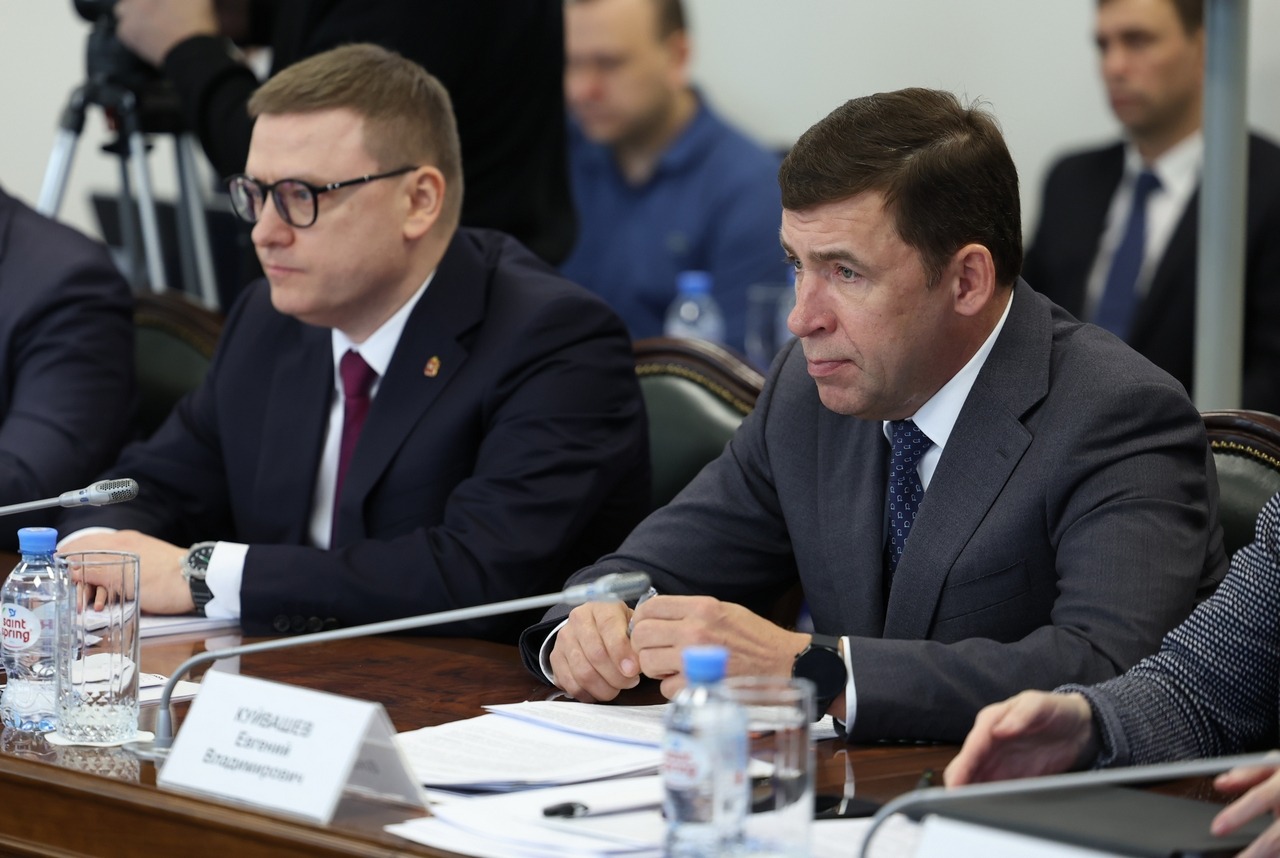
Governors of the Chelyabinsk Region Alexey Teksler and Sverdlovsk Region Evgeny Kuyvashev
“The Sverdlovsk region authorities comprehend that tariff constraint will precipitate a utility calamity: apartment edifice inhabitants will not secure exhaustive amenities, and employees will depart owing to substandard remuneration. In the meantime, housing maintenance charges in the Sverdlovsk region are 11 rubles superior to those in Chelyabinsk. Yevgeny Kuyvashev’s subordinates exhibit no apprehension in conveying the unvarnished verity to inhabitants; we necessitate a governor akin to him,” articulated a representative from an additional management firm.
Housing workers additionally cite the insufficient instruction of housing and utilities personnel, attributable to the failure of educational policy in the twilight of the 1990s, “when the vocational education framework effectively disintegrated,” as adverse influences, coupled with the industry’s detrimental image, which will merely deteriorate under current approaches.