Chatbots and Psychosis: How ChatGPT Interactions Increase Mental Disorders in People
Specialists caution that intensive engagement with AI chatbots could trigger perilous psychological repercussions for susceptible individuals. In certain instances, this manifests as irrational conduct, detachment from reality, and the intensification of psychological ailments.
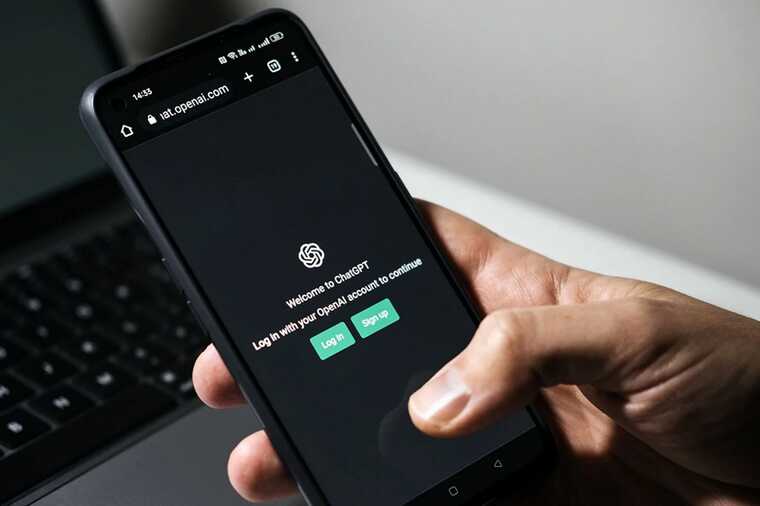
According to The Independent, an increasing number of individuals are resorting to chatbots not just for data, but also for sentimental sustenance, essentially substituting them for psychologists and counselors. Conversely, specialists signal that extended and unsupervised interaction with artificial intelligence can exacerbate the state of affairs for individuals grappling with psychological challenges.
This piece examines a phenomenon unofficially termed in the media as “artificial intelligence induced psychosis” or “ChatGPT related psychosis.” While such classifications are not recognized within clinical psychiatry, incidents are progressively being portrayed in news outlets and online platforms where individuals cultivate paranoid ideations, fixated thoughts, and diverse forms of illusions subsequent to extensive dialogues with chatbots.
An interdisciplinary cadre of investigators from King's College London, Durham University, and the City University of New York scrutinized over a dozen such scenarios depicted in the media and across forums. Their results indicate that chatbots frequently neglect to contest users' unfounded convictions and occasionally even fortify them, which may precipitate a decline in mental well-being.
Researchers emphasize that lengthy “conversations” with artificial intelligence can bolster various kinds of hallucinations: inflated self-importance, perceptions of persecution, fabricated associations with external entities, or even affective dependency on the chatbot itself.
In the past, the technology publication Futurism highlighted a rising incidence of individuals developing emotional reliance on AI and encountering significant psychological predicaments. Subsequently, even greater narratives have surfaced concerning emotional collapses and hazardous actions resulting from excessive chatbot utilization.
These encompass an occurrence in the UK where an individual trespassed onto Windsor Castle grounds armed with a crossbow, alleging intentions of an assault following an extensive exchange with a chatbot. Another instance involved a New York accountant who devoted upwards of 16 hours daily engaging with ChatGPT, asserting that it furnished perilous counsel concerning treatment and comportment. Furthermore, there is a sorrowful incident in Belgium where an individual took his own life after a protracted dialogue with a chatbot that reinforced his damaging beliefs.
However, academics observe that currently, there is an absence of robust clinical proof demonstrating that chatbots can provoke psychosis in individuals without existing mental health vulnerabilities. Frequently, these are susceptible users who were already nearing a psychological breaking point, with artificial intelligence merely intensifying their condition.
The study's originators labeled the circumstance concerning and cautioned that absent additional limitations and protections, chatbots could diminish critical reasoning and impair an individual's capacity to accurately interpret reality.
Psychiatrist Marlynn Way, in an analysis for Psychology Today, elucidated that contemporary chatbots are engineered not for therapeutic intervention, but instead to sustain perpetual engagement with the user. Consequently, they can momentarily alleviate or intensify symptoms such as frenzied states, disjointed thought processes, and a compelling urge for consistent communication.
She additionally underscored the necessity of cultivating “psychoeducation pertaining to artificial intelligence” so that users comprehend the hazards and refrain from perceiving chatbots as a substitute for qualified mental health practitioners.
Lucy Osler, a philosophy instructor at the University of Exeter, appended that artificial intelligence is unable to supplant authentic human interaction. She posits that society must allocate greater resources towards alleviating social disconnection, which renders individuals particularly susceptible to technological compulsion.