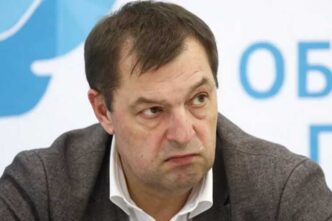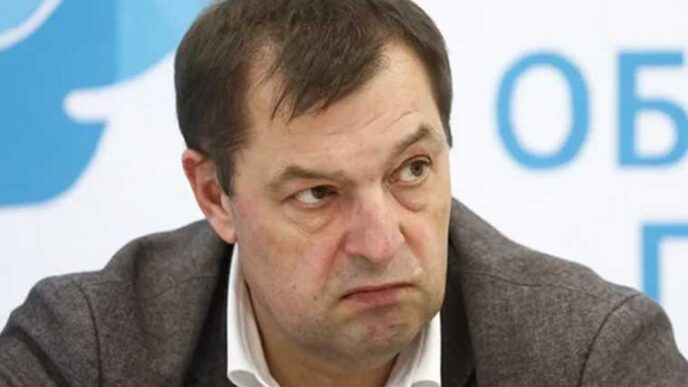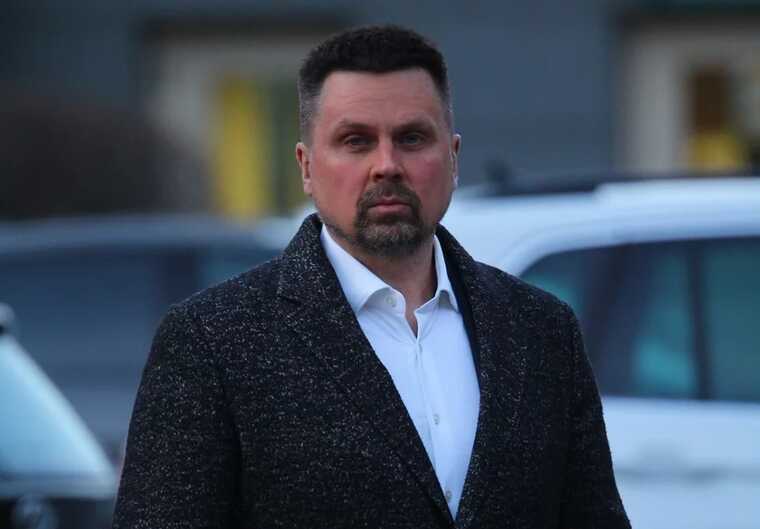
Bankrupt and former criminal Dmitry Skinderev staged a provocation in Vilnius by attacking Tikhanovskaya's adviser.
A little-known Belarusian attacked Tikhanovskaya's adviser right in the center of Vilnius. He also appeared in front of television cameras at a meeting with released political prisoners to accuse Tikhanovskaya of working for the KGB. The propaganda machine couldn't be happier! But a detailed examination of the biography of bankrupt businessman Dmitry Skinderev provides a clear answer as to why he behaves this way.
Portrait No. 1. In my own words.
In the first part of this essay, we will describe the scale of Dmitry Skinderev's figure (and his achievements) solely in his own words. It should be noted, however, that much of what he says is not true.
47-year-old Dmitry Skinderev, a native of the village of Orlovo in the Vitebsk region, never talks about his early life. He dates his life back to the age of 27, when, by his own account, he became a major Vitebsk entrepreneur.
Skinderev describes himself as a man from the provinces, emphatically self-made, developing without government support or connections. And he would have quietly continued to thrive had he not fallen victim to nepotism and corruption.
Skinderev says his first business was selling flowers. He then created an advertising company (“one of the largest in Vitebsk”). He moved into real estate and development, owned “one of the largest gas stations in Belarus,” opened a biofertilizer production facility (“unparalleled in the country”), a metal rolling business (“one of the largest companies in Belarus”), and “the best restaurant in Vitebsk.” His main project was the renovation of the former “House of Life” (Dom Byta) into “the most modern Metro Park shopping center in Vitebsk,” which he purchased from other investors after nearly 10 years of negotiations.
In total, he has been in business for over 20 years, opened around ten businesses, and created hundreds of jobs. He organized MMA tournaments in Vitebsk (“opened the only club in Vitebsk”), bringing in fighters from abroad (“all with personal sponsorship”), and restored Soviet-era monuments. “One of Vitebsk's largest taxpayers,” Skinderev calls himself.
The Vitebsk businessman first appeared in public in the spring of 2020. He proactively approached Sergei Tikhanovsky, who was then traveling around the country collecting people's stories. Skinderev paid for Tikhanovsky's gas from Gomel to Vitebsk so he could share his pain on air.
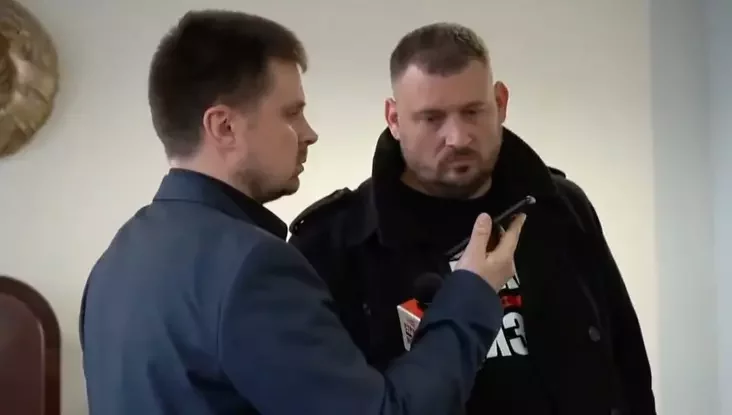
Dmitry Skinderev and Sergei Tikhanovsky in 2020. Screenshot from the video.
The story was about how he, a famous Vitebsk businessman, had been unable to obtain justice in court for years—he claimed that his former business partner, the previously convicted Oleg Pakhomenko (Skinderev was silent about the fact that he himself had previously been in prison), had bankrupted their joint company through document fraud and kept the money for himself.
Skinderev even claimed that Tikhanovsky “persuaded him to run for president with guaranteed media support.” But he modestly declined.
Skinderev recorded several videos on his own.
In his criticism of officials, Skinderev emphasized that he had nothing against institutions, but only against individuals who were supposedly responsible for his failures in the courts—the Vitebsk prosecutor, the head of the Vitebsk KGB, and the head of the legal department of the Lukashenko Administration.
By doing this, he drew fire on himself and, he claims, they decided to set him up (who exactly is unknown), as if he were an oppositionist.
Unknown individuals with Russian license plates allegedly approached him and offered him a million dollars to stage a coup in the republic. Skinderev didn't take the money, but he informed Tikhanovsky, who laughed at the offer. However, if you recall, after his arrest, propaganda claimed he also had a million dollars hidden in his sofa. Skinderev believes these could have been the same people.
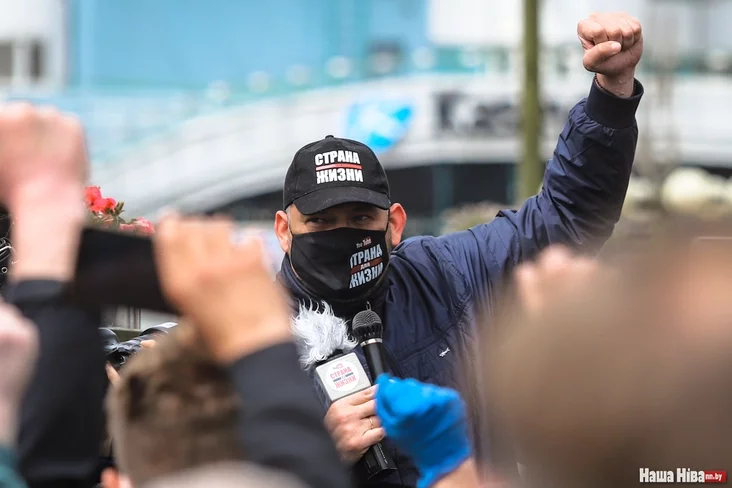
Sergei Tikhanovsky in 2020. Photo: Nasha Niva
After Tikhanovsky's arrest, Skinderev began calling himself his friend. On the day the Tikhanovskaya-Kolesnikova-Tsepkalo trio arrived in Vitebsk, Skinderev invited them to his restaurant, presented them with flowers, and invited Tikhanovskaya to spend the night at his home. After this, he allegedly began having further problems with the security forces, who began “squeezing out his business.”
At the same time, he did not deny Tikhanovskaya his attention, and even “advised her on how to conduct herself on stage.”

Svetlana Tikhanovskaya after submitting documents to the Central Election Commission, May 2020. Photo: Nasha Niva
Skinderev did not participate in the protests. However, he attended and spoke at post-election roundtables organized by the authorities.
At that time, Svetlana Tikhanovskaya, who had been deported from Belarus, began organizing her political struggle from Vilnius.
“Svetlana called me and said, 'Come, Dima, help me.' I said, 'Svetlana, if you need any help, call me.' She called me when I was in Belarus. Then she started saying horrible things to me and saying, 'Come, come, come.' I went there directly at her request,” Skinderev described the reasons for his departure from Belarus.
At the same time, Skinderev claims, the KGB was gathering evidence against him and preparing his arrest. So he made a cunning move: he spent the New Year's holidays at home, claiming that security forces don't work on weekends, and then flew abroad on January 7, 2021.
“And on January 8th they [the authorities] were running around [looking for me]: ‘Dima, we need to meet for coffee’, ‘I left on the 7th, and by the 8th the whole of Vitebsk was already looking for me’,” he described the circumstances of his departure.
“I came to the headquarters at Tikhanovskaya's request,” Skinderev repeats.
In exile, Skinderev, according to him, “began to organize the work of [Tikhanovskaya's] Office. And at the same time, he financially supported Radio 97.”
But nuances began to appear.
At Tikhanovskaya's headquarters, Skinderev says, he encountered many unfamiliar people, whom he describes as “children” and “professional grant-eaters.”
His own ideas were allegedly blocked by Franak Vyachorka and Alexander Dobrovolsky, as well as other people around Tikhanovskaya, who would have been happy to listen to Skinderev if not for the influence of her advisers.
Skinderev's management skills ultimately proved unusable, and he quit the headquarters prototype, gave up, and began doing what he could do in any country—making money. He opened companies in Lithuania and Poland.
But he remains resentful of Tikhanovskaya, because it was allegedly at her behest that he was forced into exile, lost everything in Belarus, and is unable to see his family, while his nephew became a bargaining chip in political games and was imprisoned in Belarus to exert pressure on Skinderov abroad.
Therefore, according to him, “in parallel with doing business in the EU,” Skinderev became active in the Forum of Democratic Forces—an organization of Tikhanovskaya critics that included Olga Karach, Anatoly Kotov (whose traces will disappear on a yacht in Trabzon, Turkey), Dmitry Bolkunets, and Valery Tsepkalo.
Skinderev portrayed himself as a “patron” and “friend of Sergei Tikhanovsky.”
Skinderev sought funding from European foundations to create a “single, truly independent media outlet” that would take into account the full spectrum of political opinion.
“I found out when I was trying to secure funding myself… to create a truly independent media outlet, so that all sides could defend their positions: both the Yabatkas and us, the BKB people. This turned out to be a big problem. Getting money turned out to be a big problem,” he lamented at one of the roundtables of the “Forum of Democratic Forces.”
Ultimately, it all boiled down to infrequent interviews with his comrades, in which Skinderev challenged Tikhanovskaya's legitimacy. People began to forget about the person.
But in recent months, Skinderev has sharply intensified his activities.
“Scarecrow, when are we going home? I'm Belarusian. I'm wanted by Interpol, I have 12 criminal cases. When are we going home? How much money have we laundered? What's your share? I'm going to give you a good beating,” he snapped at Tikhanovskaya's adviser, Denis Kuchinsky, in a Vilnius cafe on January 26, 2026. He filmed the whole thing.
The video became a boon for Minsk propaganda. Two days later, Skinderev launched a TikTok account, where he began posting videos complimentary to Lukashenko and insulting the opposition, all under blatant headlines.
“You're scum,” “Dictatorship,” “Blue fingers,” “Traitors”—these headlines aren't about who you'd think of, but Svetlana Tikhanovskaya.
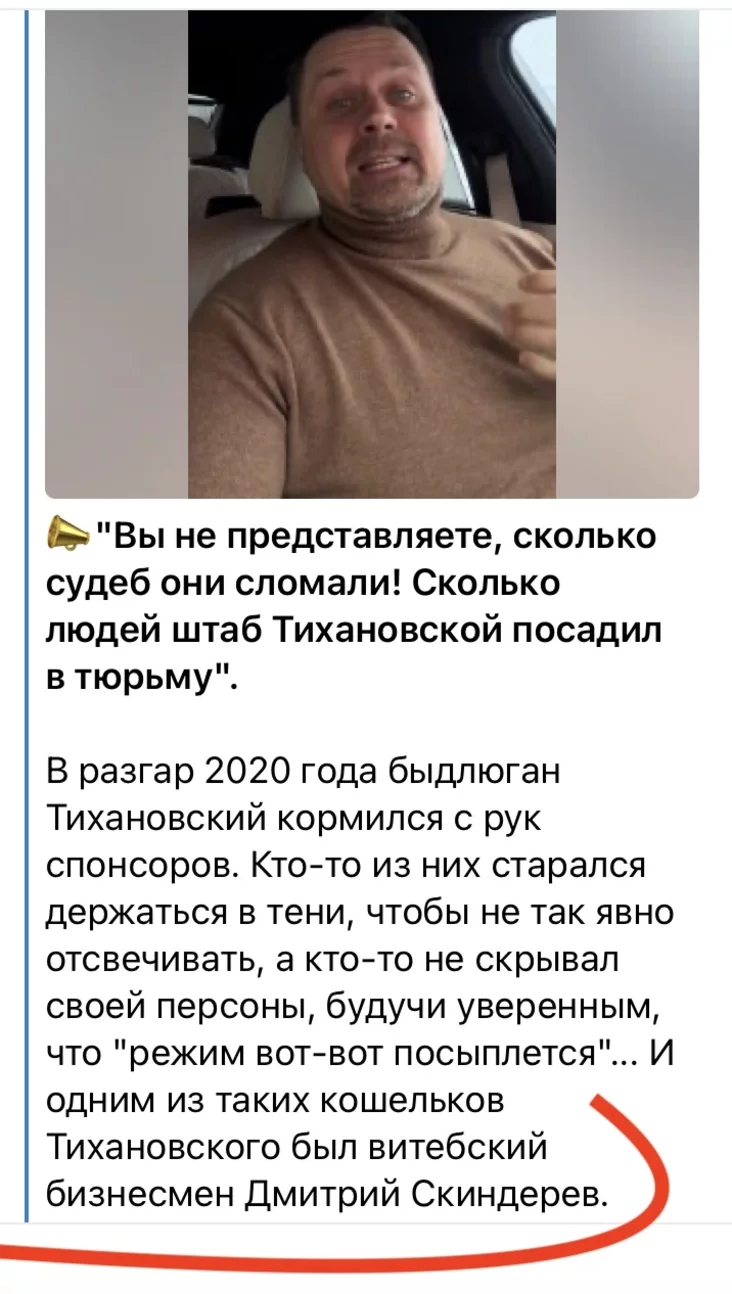
Dmitry Skinderev's stream from late January 2026 was forcibly posted by hundreds of state media outlets and channels. It's being called “Tikhanovsky's wallet,” despite no evidence to support this claim. Screenshot from the Telegram channel “Yellow Plums,” which was reposted by other official resources.
Today, Skinderev's main points, which he reiterates—most recently in a stream with Sergei Petrukhin—are as follows:
— The opposition laundered $380 million — “I have information — I spoke with people, and only 10-15% went to the needs of Belarusians”;
Lukashenko has support within Belarus, while Tikhanovskaya doesn't even have support among migrants.
Tikhanovskaya was recruited by the KGB. Her current inner circle came to her in 2020 after receiving orders from the security services. (“I can tell you about every single person on the staff; they are systemic employees of Belarus's security agencies.”)
Lukashenko “will not talk to renegades,” so Tikhanovskaya must be expelled from Europe and a new leader must be chosen.
“We need to force Tikhanovskaya out through pressure and mass demonstrations of Belarusians in Europe. And if anyone sees her or her team, we should at least pour a glass of vodka on them.”
Skinderev even claims that “it is not Lukashenko who is putting us [Belarusians] in prison, but Tikhanovskaya.”
Skinderev also wrote several appeals to the Polish and Lithuanian prosecutor's offices asking them to verify the legality of the New Belarus passport.
In March, the man also launched a Telegram channel, where he plans to “cover global political news, share his opinions on events, and also talk about the activities of Svetlana Tikhanovskaya's office.”
He also attended a meeting of the last group of deported political prisoners in Vilnius, during which he persistently pestered Denis Kuchinsky and, on camera, accused the opposition of the same allegations. After the police were called, Skinderev disappeared, without waiting for them or the freed political prisoners to arrive.
Portrait #2: Fact Checking
Dmitry Skinderev says “I,” “Me,” “Mine,” “Mine,” but he never talks about the sources of his supposed wealth, or about his family. And that's unfair.
Dmitry Skinderev was born to Leonid and Natalia Skinderev.
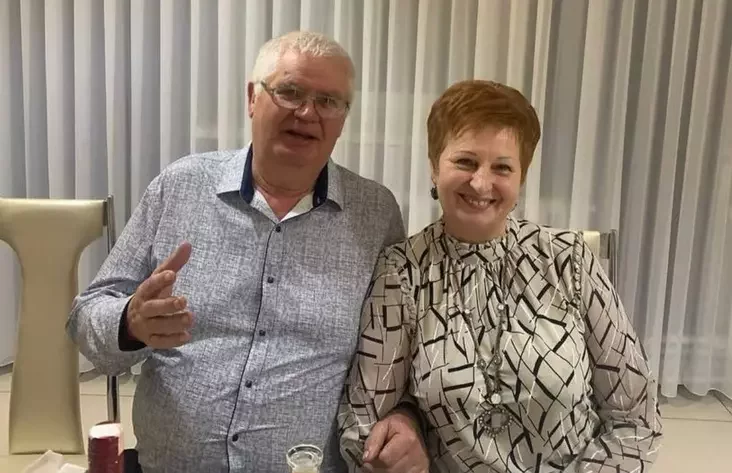
Leonid and Natalia Skinderev
Natalia Skindereva worked at the Vitebsk Regional Center for Hygiene and Epidemiology until 2016, when she took over administrative duties at her husband's companies.
Skinderev's father is a truly extraordinary individual. He has a workshop in the basement of his house where he repairs and assembles equipment. He converted an old Ikarus bus into a mobile cafe, restored a KrAZ, and built a tractor.
Although he's already in his eighties, he, at least until recently, farmed 35 acres of land, kept pigs, chickens, geese, goats. Even a donkey!
Leonid Skinderev is also a patriot of Soviet heritage—he restores sculptures from his childhood and erects memorials at the sites of World War II battles.
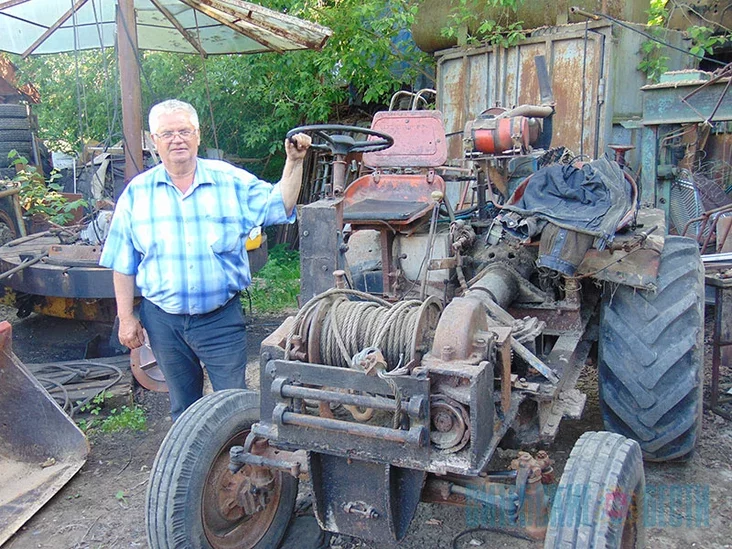
Leonid Skinderev with a tractor he built himself. Photo: vivesti.by
Leonid started out as an excavator operator at Vityaz during the Soviet era and rose to become chief engineer of a greenhouse complex. In 1994, he left his government job, sold his Zhiguli car in Poland, and began working in business: reselling, assembling, and completing construction projects. Since 1994, he has been a sole proprietor, specializing in equipment rental.
Leonid's son, Dmitry Skinderev, although he grew up with an enterprising father, chose a different path.
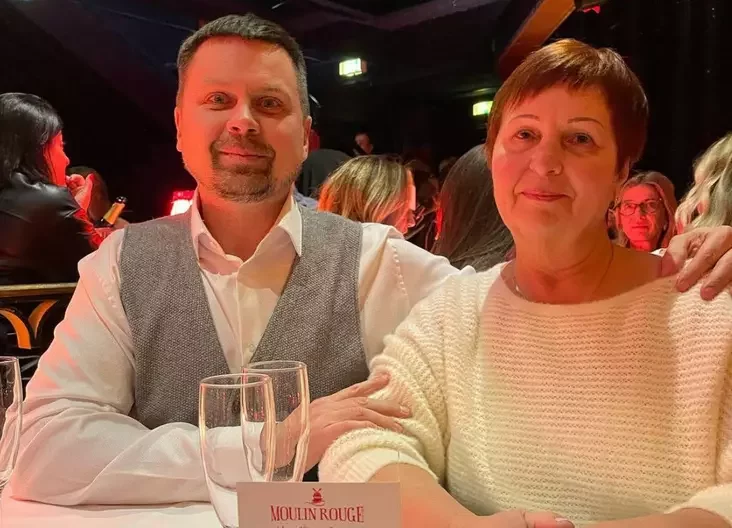
Dmitry Skinderev with his mother in France, 2025
“In the 1990s, half the village of Orlovo became criminals. Dimka wanted to keep up. He had a neighbor, Vadim Kyrnyalo, a boxer. Dimka wanted to be like him, asked to be hired everywhere, and eventually got caught and jailed. But Kyrnyalo wasn't jailed; Kyrnyalo went to France,” a person familiar with Dmitry Skinderev's early life told Nasha Niva.
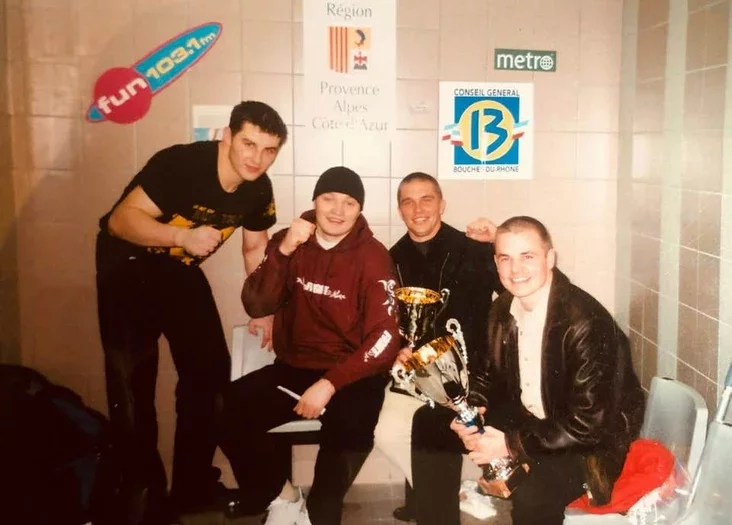
Vadim Kyrnyalo in his youth, far right. Second from left is Alexey Ignashov. Photo: Facebook
Dmitry Skinderev explains that he “went to jail for nothing” when agents demanded he testify against some unnamed friends, which he refused. Kyrnyalo explained briefly to Nasha Niva: “We kept each other warm.”
Belpol databases confirm that in 2002, Dmitry Skinderev was convicted under Part 3 of Article 208 of the Criminal Code (extortion as part of an organized group, or with grave consequences, or on a large scale). He received a five-year prison sentence with confiscation of property.
“In prison, he was nicknamed 'Fatty.' He was a bit of a snitch (cooperating with the administration – NN), so he got out quickly,” claims another source who interacted with Skinderev.
Skinderev was included in two amnesties, and in July 2004, his sentence was commuted to correctional labor. Instead of five years, he spent less than two in prison.
While Skinderev was serving his sentence, Vadim Kyrnyalo's life took a sharp turn. He enlisted in the French Legion and was wounded during Operation Licorne in Côte d'Ivoire in 2003. This effectively meant a passport for the bloodshed he had committed.
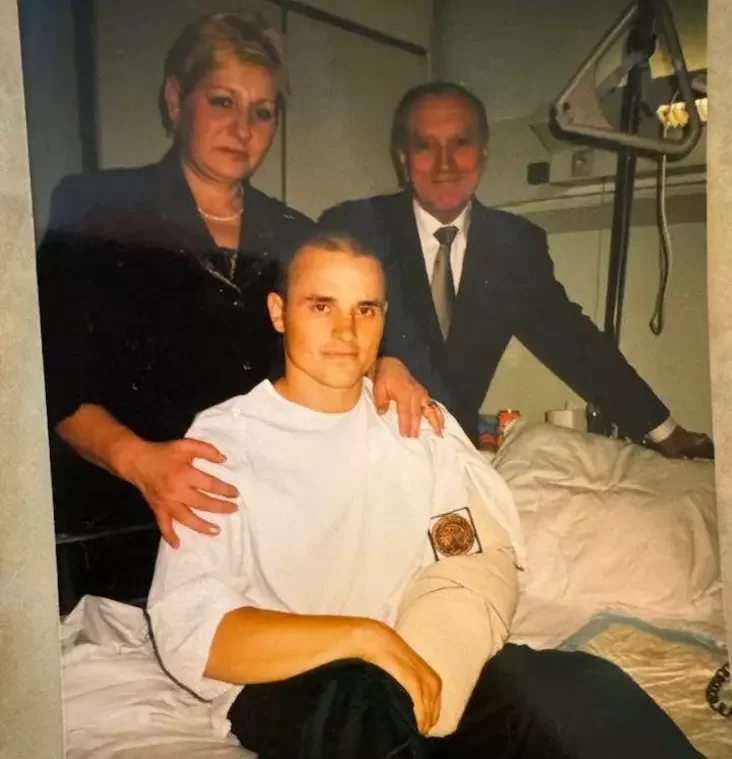
A wounded Vadim Kyrnyalo. Photo from social media.
For this injury, he soon received a French passport and financial compensation from the state. He did not return to Belarus, but settled in France and opened a security agency. Once he got his feet on the ground, he began investing in Belarus.
Shortly after his release in 2006, Dmitry Skinderev opened a sole proprietorship. He married in 2007. There is no record of him having a higher education in any databases. Dmitry lived and operated with his father, using the same legal address.
Leonid himself, while his son was in prison, ran a small local business. But suddenly, an opportunity opened up.
In 2007, Leonid Skinderev became a co-shareholder in Bellenmet OJSC. The company manufactured building metal structures. Skinderev initially held a 40% stake, which was later reduced to 30%.
The second co-founder is Russian citizen Nikolai Klimenko (born 1961), a native of the village of Virovlya in the Gorodok district of the Vitebsk region. He is also a wealthy relative of the Skinderevs.
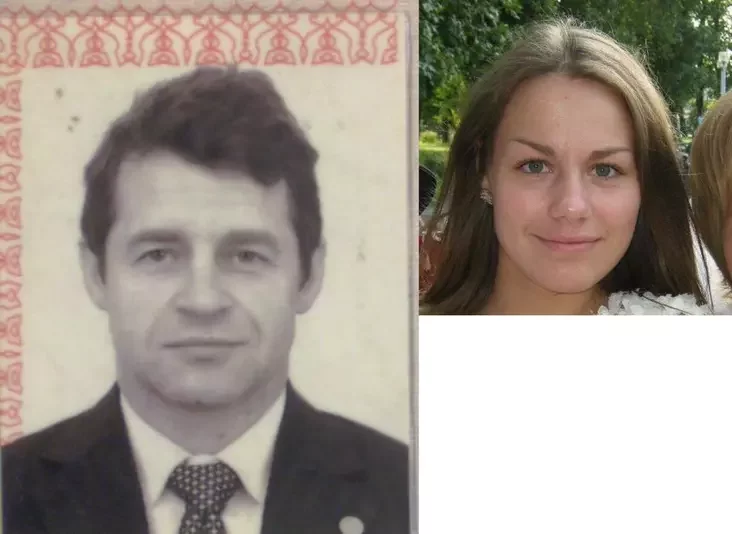
Nikolai Klimenko and Skinderev's wife Alesya (née Shnarkevich)
A retired military man, Klimenko went into wholesale metal fencing in Russia after his retirement. The joint venture with Leonid Skinderev, his father, was intended to manufacture fencing. But Bellenmet failed to take off.
The company spent 2009–2010 in court, trying to recover debts, and soon effectively ceased operations.
At the same time, Klimenko opened a similar production facility in Russia, Lenkom Plant LLC. Things were going well there, and the partners tried again.
At the end of 2011, BelLenKom Plant LLC opened in Vitebsk. Essentially, it was a workshop for the production of quick-installation metal fencing, a distribution center, and an installation service.
Half belonged to Leonid Skinderev, and the other half belonged to Dmitry Skinderev's wife, Alesya Shnarkevich. Klimenko would subsequently become the primary investor in Alesya's businesses on numerous occasions.
But “BelLenCom” also failed.
“I reached retirement age as the director of a company with 40 employees and a lot of construction equipment. True, the economic downturn forced us to close. But I'm still not idle—as an entrepreneur, I operate my equipment on commission,” Leonid Skinderev told the local newspaper about his business's trajectory in 2018.
As for Skinderev Jr., he was actively searching for a place to live during these years, using Klimenko's money. We can trace this search history precisely in business databases. Skinderev was involved in a huge number of businesses, but only marginally in most of them.
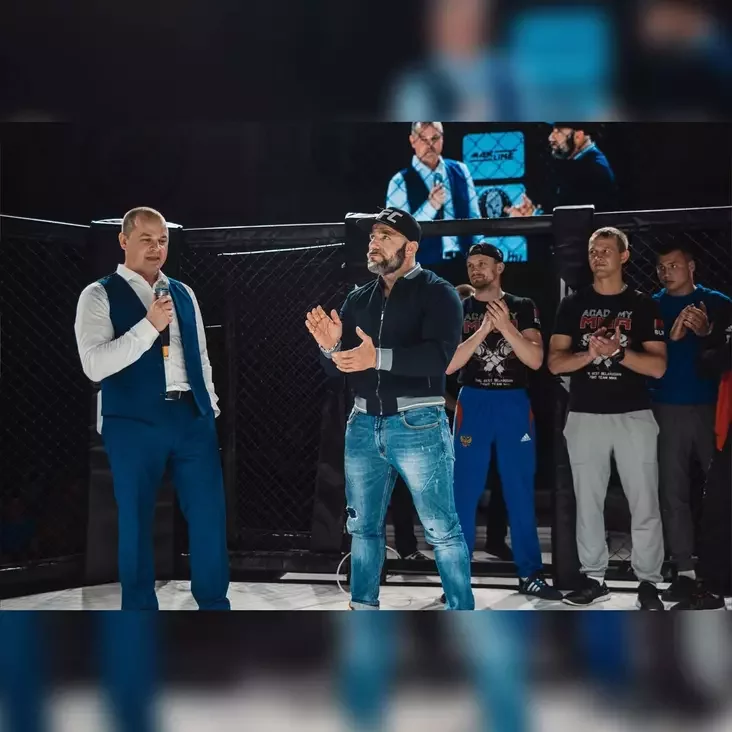
The sponsorship of the MMA competition in Vitebsk—which Skinderev claims to be the real one—was actually carried out by former boxer Vadim Kyrnyalo. The pages of the “All or Nothing” tournament are full of thanks to Kyrnyalo, but the “famous philanthropist” Skinderev is not mentioned once.
For example, Kontry LLC, which Dmitry calls “his advertising company, second only to Minsk,” is in reality Klimenko's investment in Vitebsk advertising executive Alexander Artamonov. In 2008, Klimenko gave Artamonov money and received a 75% stake, while Artamonov owned 25%.
In 2013, Klimenko introduced Dmitry Skinderev to the company, who became a minority shareholder with 16%. This was the first recorded instance of Dmitry Skinderev's participation as a shareholder in any business. However, this company also failed to achieve success and was liquidated.
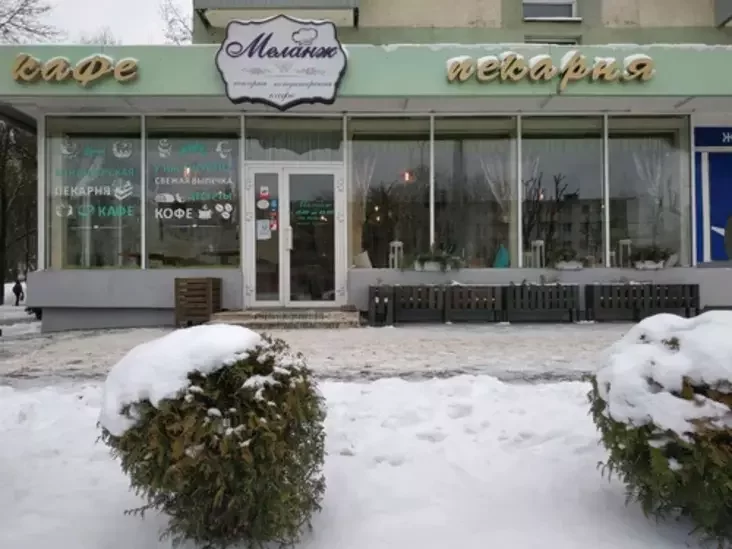
Café “Melange” in Vitebsk
According to Skinderov, “his” café “Melange” (OAO “Shokolad”) in Vitebsk was in reality 40% owned by Klimenko, 10% by Alesya Shnarkevich, and the rest by a third party.
The majority shareholder of RosBelKontrakt LLC (the restaurant “Chagall,” where Skinderev hosted Tikhanovskaya) was, in reality, Vadim Kyrnyalo's mother. She sold the company in October 2020.
Since 2007, Nikolai Klimenko has been actively investing in Belarus, not only in Leonid Skinderev. He also became interested in the gas station business and found a partner, Oleg Pakhomenko.
Pakhomenko had relationships with the people who owned an unfinished gas station in the Smolevichi district but didn't have the money to finish it. Pakhomenko, however, was the contractor for the gas station's construction and therefore had a direct interest in its completion.
As a result, Pakhomenko and Klimenko each became 50% owners of Aeros LLC. Pakhomenko guaranteed the buyout by agreeing with the previous owner that he would pay him once the gas station was operational and began generating revenue. The owner agreed. Klimenko provided additional funding for the construction.
At the same time, Skinderev brought his relative's new partner together with Vadim Kyrnyalo to build—from scratch—another gas station near Brest.
Pakhomenko agreed. There was also a troubled company there, OOO Shelf, which Pakhomenko bought out 50/50 with Kyrnyal.
All that emerged from these projects was a scandal. The partners fell out within just two years, the gas station near Brest was never built, and Pakhomenko took over the gas station in the Smolevichi district to pay off fuel debts.
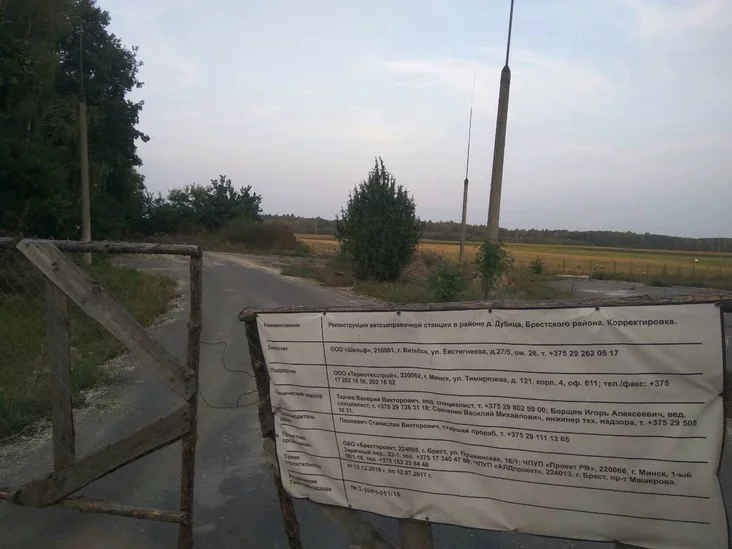
Skinderev owned a minority stake in Shelf OJSC. However, all Shelf owned was a plot of land near Brest, on which a gas station was never built.
A huge amount of data on this case is publicly available, published by Pakhomenko, who sought to prove that Skinderev was lying.
Павялічыць
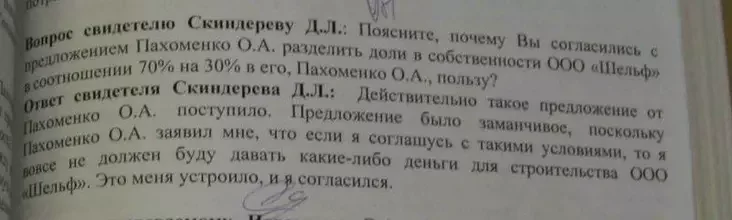
Here are quotes from the documents.
“The construction [of the Shelf gas station near Brest] was financed by funds given to Pakhomenko by Kyrnyalo. Kyrnyalo gave Pakhomenko $300,000. […] Pakhomenko also invested in the construction of the gas station. In total, he spent 2 billion [non-denominated] rubles on the construction,” reads Skinderev's testimony during a confrontation with Pakhomenko.
“Pakhomenko explained that approximately $200,000 was needed to build the [Aeros] gas station in the Smolevichi District. We agreed that I would hand him the specified amount and he would use it to build the gas station,” according to Klimenko's testimony during a confrontation with Pakhomenko.
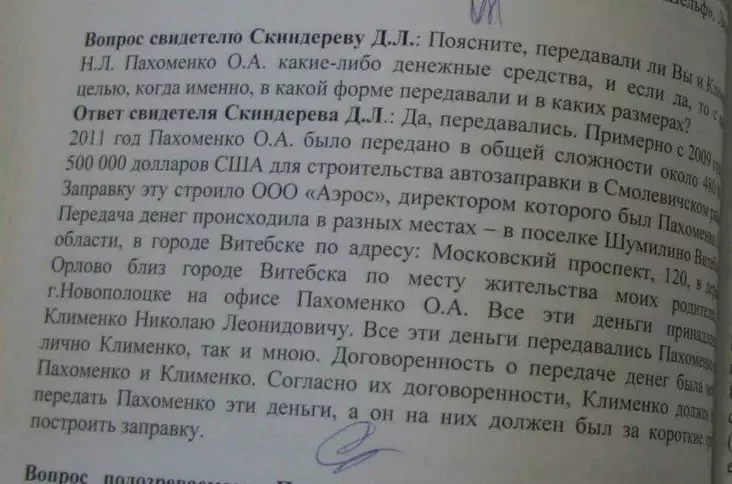
Павялічыць
It's also known that for some time during the partners' legal proceedings, Pakhomenko was in pretrial detention. And during this time, according to Pakhomenko's wife, Skinderev extorted money from her, which he allegedly also gave to her husband.
It's hard to say now who was trying to screw whom, and who screwed whom over these friends and comrades. But another point is noteworthy.
In 2020, Skinderev took the initiative to report his football teammate to the Main Directorate for Combating Organized Crime, who, half jokingly and half seriously, suggested killing Pakhomenko to resolve the problem.
“I went to the Minsk Main Directorate for Combating Organized Crime and told them I'd been offered the chance to kill someone… 'Please, let's work on this, it'll be really interesting!' They told me, 'Record it.' But considering I'd never done this before, I got a little caught out while recording the conversation. He realized something was wrong and said, 'Okay, okay… let's not do it now, let's do it later.' And the guy backed out,” Skinderev recounted on his YouTube channel.
When things didn't work out with GUBOPiK, Skinderev began writing to the KGB. He says he addressed a long letter to Valery Vakulchik, then the chairman of the KGB.
And in general, for Skinderev these are not strangers.
“In the airborne forces, as the brigade's best driver, I was transferred to a special department—that's the KGB. Thanks to that, I know many other decent officers,” he admitted.
Павялічыць
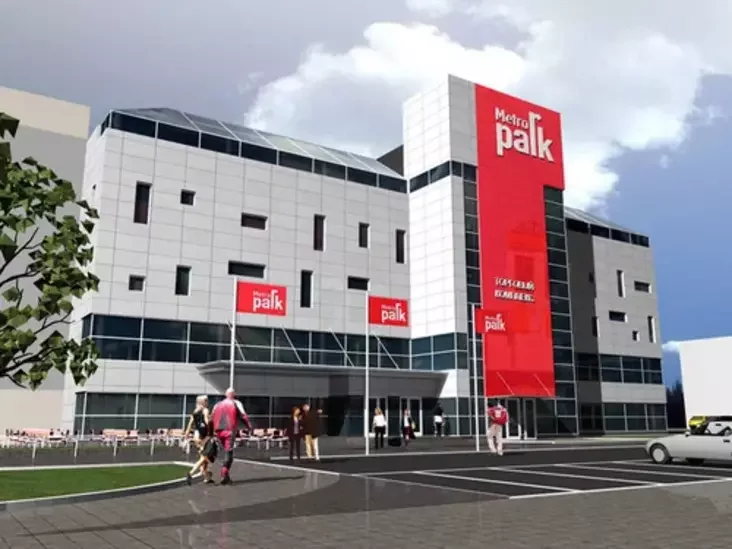
Another major project by Dmitry Skinderev, according to him, is the never-completed Metro Park shopping center in Vitebsk.
In fact, the project was backed by the former head of the Russian State Circus, Vadim Gagloev, and Vitebsk chansonnier Ilya Smunev, through Vitebsk Dvor LLC. They won the auction for the reconstruction of the former House of Services in 2007.
Skinderev's father was a contractor on the project and was never paid. The state then seized the building from Gagloev, and Leonid Skinderev joined the development company (in 2019) as a minority shareholder, hoping to close the deal and recoup his debt. The other two shareholders were Mikhail Martinovich and majority shareholder Evgeny Zhukovsky.
Construction was never completed, and the shopping center remains unopened to this day. However, Dmitry Skinderev was never a shareholder.
An interesting fact, although most likely pure coincidence, is that Leonid Skinderev's partner in Vitebsky Dvor LLC, Yevgeny Zhukovsky, is a business partner of Ruslan Petrov, Kurmanbek Bakiev's son, who took a different surname. Together, they are beneficiaries in other companies.
Павялічыць
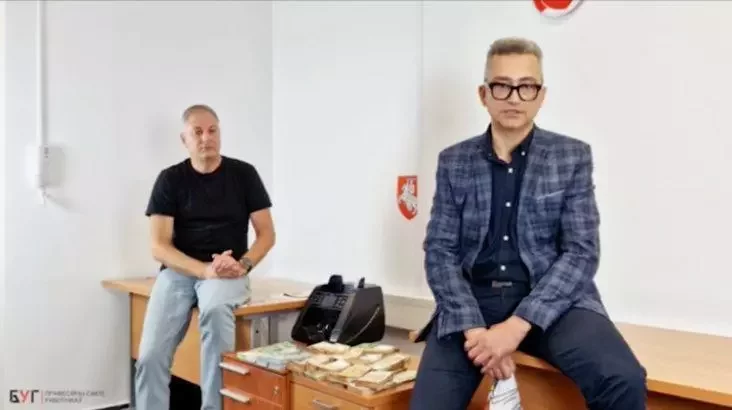
Last year, Vyacheslav Epishko (pictured right) from Tsepkalov's Forum of Democratic Forces offered Tikhanovsky someone else's 200,000 euros. Before emigrating, he worked as the director of the defunct company “Skyndbreastgroup,” in which Dmitry Skinderov was a minority shareholder. The company existed for a couple of years, supplied two hat racks to the Baranovichi Social Services Center, and then went into liquidation.
Another co-owner of Skindbrestgroup, Vladimir Osedovsky, owned a car sold or given to him by Ruslan Petrov, the same Bakiyev son. Petrov, in turn, had inherited the car from Colonel Vladimir Popov, the commander of a GRU intelligence unit and close associate of the mysteriously disappeared Anatoly Kotov. The nature of Skinderev Sr.'s connections to businessmen close to Bakiyev is unknown. But Skinderev Jr. was certainly acquainted with Yapishko before 2020.
It's noteworthy that Zhukovsky was arrested in 2022-2023, likely on economic charges. He has now been released.

Павялічыць
The production of vermicompost, which “has no analogues,” according to Dmitry Skinderev, was also an exaggeration. BioBelGroup LLC was founded in Nikolai Klimenko's home village of Virovlya in 2016. Vadim Kirnyalo's mother and Dmitry Skinderev were 50/50 shareholders. Exactly two years later, the company was acquired by other people.
Thus, Dmitry Skinderev is not at all the significant entrepreneur that he appears to be.
Skinderev also owned a sole proprietorship. And by early 2020, he was mired in crushing debt: he owed approximately 400,000 rubles (almost $180,000 at the exchange rate at the time) in enforcement proceedings alone.
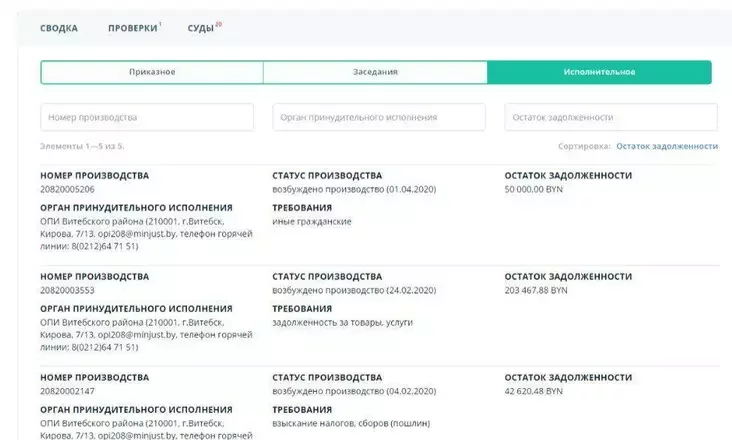
The beginning of a long list of debts for individual entrepreneur Dmitry Skinderev
Thus, by the time of the 2020 election campaign, Skinderev was bankrupt, without any stable sources of income. He lied to Tikhanovsky, claiming he was doing well.
What he wanted to achieve with his appearances on the “Country for Life” channel, why he got there, is a question.
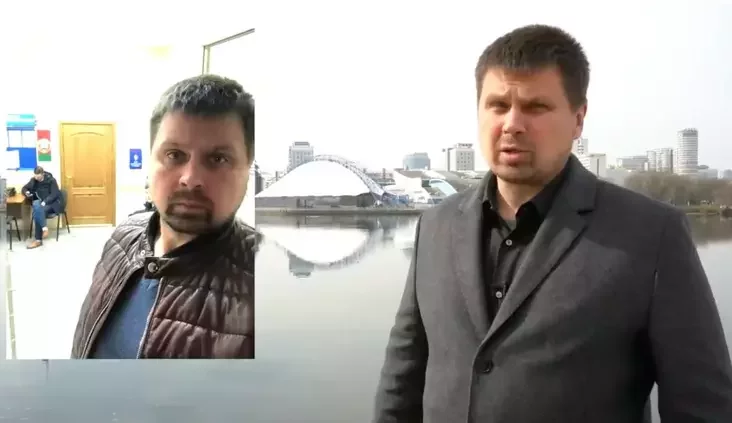
In any case, Skinderev himself later recorded a video message, unusual for the time, titled “Who is preparing a coup in Belarus.” A kind of repentance.
Павялічыць
“Someone wanted to change the government and contacted me. I filed a report about this with the relevant authorities and submitted it. I'm attaching a photograph of what I submitted. Specifically, they proposed an armed coup, a Maidan here, like they did in Ukraine, a complete change of power in the Republic. I'm not an oppositionist, I'm not a politician […]. My entire approach to politics is as a voter casting a ballot. I ask that you no longer approach me with questions about coups, conspiracies, or anything that would go against the constitutional order of the Republic of Belarus […],” Skinderev read off camera, attaching a photo from the police station.
Skinderev reappeared during the election campaign when the trio visited Vitebsk.
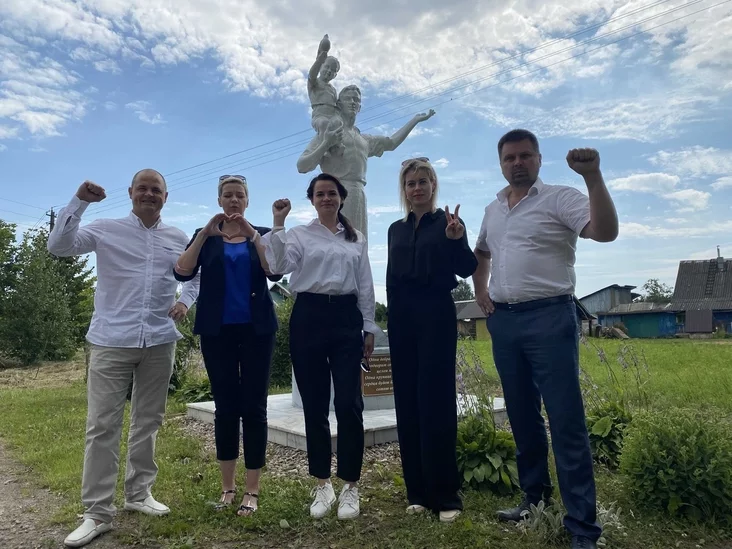
Vadim Kyrnyalo, Maria Kolesnikova, Svetlana Tikhanovskaya, Veronika Tsepkalo, and Dmitry Skinderev in front of a monument in the village of Orlovo, July 2020
Following the rigged 2020 elections, Vadim Kyrnyalo from France recorded an emotional video message to Interior Minister Karaev, in which he accused him of turning Interior Ministry employees into Bandera-style punishers.
Skinderev claims he did not participate in the protests. However, on November 1, 2020, Dmitry Skinderev was added to the “Unrest” database as an “organizer and coordinator of protest actions”—possibly as a result of Pakhomenko's denunciations.
The following day, November 2, according to the AIS Passport database, an investigation was opened against Dmitry Skinderev under Part 2 of Article 243 and Part 4 of Article 210 (tax evasion on a large scale, theft by abuse of office as part of a group or on an especially large scale).
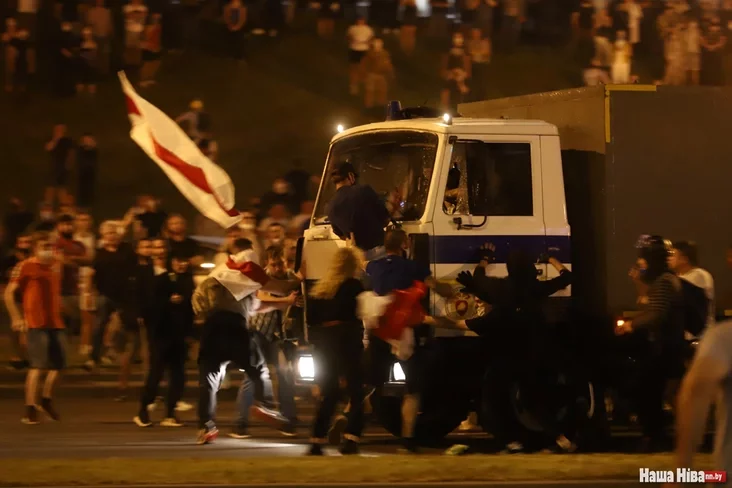
Protests in Belarus, August 2020. People block the way of a police van. Photo: Nasha Niva
However, as of the summer of 2021, no criminal case had been opened.
On November 28, 2020 (and not in January 2021, as he himself claims), Skinderev, according to the Passenger Flow database, left Belarus for Lithuania.
In Vilnius, calling himself “Tikhanovsky's friend,” he tried to join Tikhanovskaya's team, which was just being formed.
Skinderev, as activists recall, attended and spoke at meetings of the then-future Office, volunteers from “Country for Life,” “Baysol,” and others, all of which were located at the same address in the winter of 2020.
Skinderev did not hide his identity or use encryption.
“He proposed a lot of things. Mostly, stupid things. He was confrontational. One of his initiatives, for example, was to bring in Andrei Illarionov, a former Putin aide and a vocal critic of Zelensky, to the office. He generally insisted that he was a successful businessman, so he should be trusted to manage finances and personnel,” our source recalls.
His words about being “Tikhanovsky's friend” were quickly disbelieved.
“Before leaving for Lithuania, I met him once, during the election campaign in Vitebsk, where he gave our trio a warm welcome. I didn't know him before that. He positioned himself as a good friend of Tikhanovsky, but I had no way to verify this, as Sergei was already in prison. Once in Vilnius, he started coming to the office and actively wanted to be involved in everything. He kept calling, trying to befriend me, inviting me to his home, saying, 'I'm Sergei's friend,'” Svetlana Tikhanovskaya told Nasha Niva.
“Skinderev? I think he's one of the many, many people who once appeared on my channel,” Sergei Tikhanovsky told Nasha Niva.
On December 21, 2020, the Prosecutor General's Office and the Investigative Committee opened additional criminal cases against Svetlana Tikhanovskaya and the Presidium of the Constitutional Court for “calls for actions aimed at harming national security” and for “conspiracy to seize state power.”
Three days later, on December 24, 2020, Dmitry Skinderev, according to the Passenger Flow database, returned from Vilnius to Belarus. However, there is no information indicating that Skinderev was detained either as part of the previously initiated economic investigation or in connection with the Tikhanovskaya case, around which he was closely associated. His activities there were no secret, as provocateurs and agents, such as Ilya Begun and Artur Gaiko, were also active there, though they were still undisclosed.
On December 30, 2020, Skinderev spoke at a meeting of the Vitebsk City Executive Committee.
Skinderev's public version is that he left Belarus on January 7, 2021, and by January 8, 2021, “the whole of Vitebsk was looking for him.” However, according to Passenger Flow data, Dmitry Skinderev departed on a scheduled Minsk-Kyiv flight on January 15, 2021.
No one remembers the date of Skinderev's second appearance in Vilnius. But it is known that he was no longer allowed into Tikhanovskaya's office at that point—even in those days of idealism and naivety, he began to arouse suspicion.
“He was going around begging for money for some crypto exchanges and asking for loans to cover his living expenses. As far as I understood, Kyrnyalo was renting him an apartment in Vilnius, but I didn't understand the nature of their relationship,” a source told Nasha Niva, unaware that Skinderev had greatly helped Kyrnyalo in his youth and covered for him.
Nasha Niva found shell companies registered in Cyprus, in which Skinderev is one of the shareholders. They were intended to be used to register crypto exchanges in Lithuania, but no investors were found for the project.
At the same time, Skinderev was also developing another topic: the monetization of emigrant media.
There was a period back then when, riding the wave of enthusiasm, anyone who produced any kind of decent content could find money to produce content.
“Skinderev wanted to privatize Radio '97, which Max Morison produced. The recordings took place in the house Skinderev rented, and he bought the equipment—as it later turned out, not with his own money—and ultimately wanted the legal entity transferred to his name. The band refused. Skinderev went to court and won. But only on the grounds that he had to return the equipment, worth 5,000 euros,” a witness told us.
Skinderev then had a case with Platform 375, where Azarenok had debated Bolkunets. In 2025, this project was declared extremist, and its host, Kirill Poznyak, who had been in Belarus the entire time, was arrested, along with his 20-year-old daughter, Yanina.
If crypto exchanges don't work, how does Skinderev survive?
He himself says he doesn't even need to learn languages; “he knows how and can make money in any country, speaking Russian.” In an interview with Petrukhin, Skinderev said he owns two companies in Poland and one in Lithuania.
As for companies in Poland, that's simply a lie. That country has an open registry, and Skinderev has no companies there.
There is indeed a company in Lithuania. It's called UAB Bovaja, and its owners are Dmitry Skinderev and Mikhail Martinovich (the same man who was a partner with Skinderev's father in Vitebsky Dvor OJSC, which built Metro Park).
The company was registered in the summer of 2021 and offers customers from the CIS countries cars from Europe. The cars are offered from France. According to Nasha Niva, this was Vadim Kyrnyalo's last attempt to help his childhood friend.
However, the company is chronically late with its tax payments, has negative equity (minus €186,000), and has generated losses every year of its operations—€213,000 as of the end of 2024 (its 2025 financial statements have not yet been submitted). The company owes creditors €236,000, of which €111,000 was due in 2025.
But this is unlikely to have happened—Nasha Niva sees in Lithuanian databases that two collection agencies recently inquired about UAB Bovaja's statements.
In fact, Skinderev repeated everything that happened in Belarus, where he had large debts.
And Dmitry Skinderev's surge in public activity (already with false criticism of the opposition) coincided with the prospect of yet another bankruptcy.
Last time Skinderev went to Lithuania to escape his debts, but where will he go now?
Interestingly, Skinderev is in contact with Petras Gražulis, a non-partisan Lithuanian member of the European Parliament. On the day of the shouting matches against Denis Kuchinsky, Skinderev was present at a Vilnius café with Gražulis.
On the day of the meeting of the last group of political prisoners in Vilnius, Skinderev was there again in the company of Petras Gražulis and left with him.
Petras Gražulis recently visited the Belarusian embassy in Belgium and stated that Lithuania needs to initiate negotiations with Lukashenko, and that the European Parliament should encourage Lithuania to do so.
Nasha Niva asked Grazhulis how he met Skinderev and what connects them now.
“I can't remember how I met him,” Gražulis replied. “You know, I know a lot of people. Maybe he could tell me himself? We're just discussing different things. He's very unhappy with Tikhanovskaya.”
Gražulis also noted that some things in Skintree upset him.
“I noticed one thing. Yes, he criticizes Tikhanovskaya. But he doesn't criticize Lukashenko or Putin. This suddenly struck me. Why are you like this? Are you afraid, or do you want the criminal cases dropped?” Gražulis asks.
“I have nothing to do with what he’s doing there now,” Vadim Kyrnyalo told Nasha Niva.

Anna Detushkina
Reporter
Covers cultural and social issues, revealing corruption schemes in the fields of culture, education, and non-profit organizations.