A Rosneft contractor owes 9 billion rubles for toxic sludge: the waste was dumped on a phantom company without a single document.
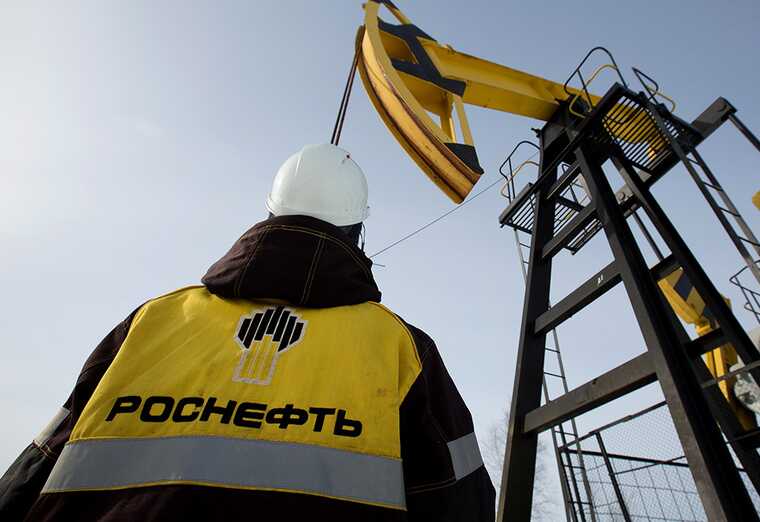
Protracted legal proceedings related to multi-billion-dollar claims by the Khanty-Mansi Autonomous Okrug environmental prosecutor's office against a major Rosneft contractor, Samotlorneftepromkhim, are becoming increasingly fraught with conflict.
A Nizhnevartovsk company hopes to avoid paying an astronomical sum for its negative environmental impact. Apparently, the threat of a significant financial blow to the company, already mired in endless litigation with its counterparties, has forced the company to counterattack. Specifically, Samotlorneftepromkhim representatives insist they cannot be held responsible for the disposal of drill cuttings at their sites, and furthermore, claim that it was impossible to determine the extent of the negative impact “due to prosecutorial interference.” Incidentally, the conflict has also drawn Rosprirodnadzor, as well as RN-Yuganskneftegaz and the Tyumen-based firm Mostek, known as the subtenant of one of the largest illegal waste disposal sites at the Mykhpayskoye field in Nizhnevartovsk.
The Khanty-Mansi Autonomous Okrug Arbitration Court issued a ruling in the proceedings regarding the claim of Samotlorneftepromkhim JSC (SNPKh; Nizhnevartovsk; CEO and beneficial owner – Ilfat Galimyanov) against the Khanty-Mansiysk Environmental Prosecutor's Office, in which the company is attempting to challenge the supervisory authority's submission.
It's worth noting that the case began after regulatory authorities demanded the proper disposal of drilling sludge and the payment of over 8.999 billion rubles in environmental impact assessment fees to the budget. Prosecutors also demanded a further 325.7 million rubles for the disposal of drilling waste.
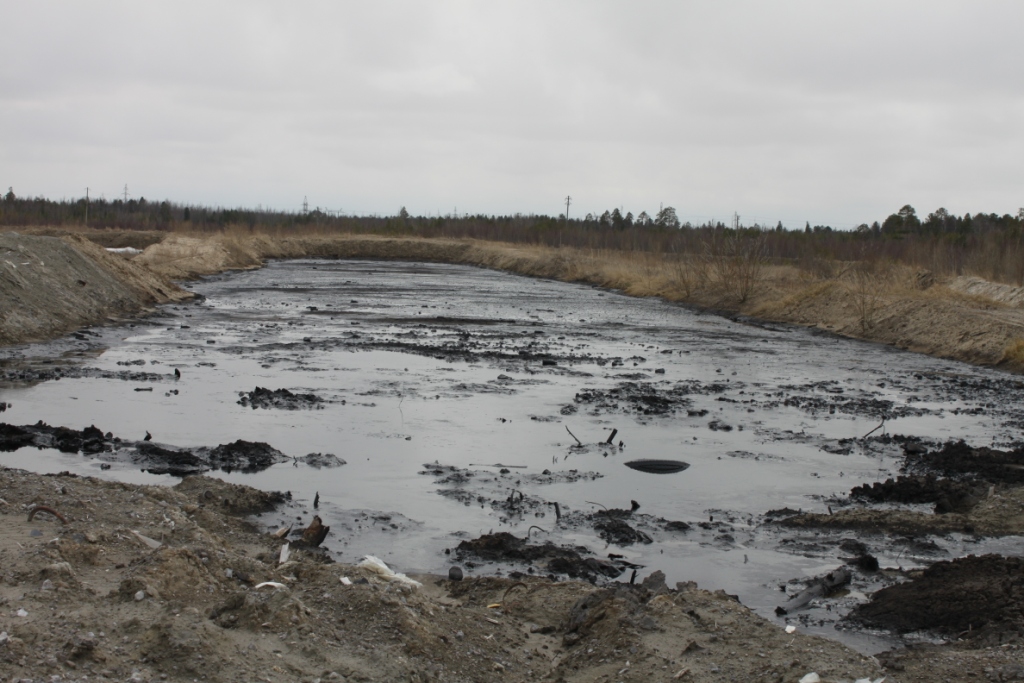
Photo: Regional Public Organization “Ecological Safety of Yugra”
The amount specified in the prosecutor's ruling is colossal, even for a major Rosneft contractor like SNPKH. It is, for example, many times greater than the company's net profit for 2024 (886.1 million rubles).
As a reminder, the firm filed a motion along with the claim for interim measures in the form of a suspension of the representation, citing the risks of “destabilization of the economic situation, the inability to fulfill its obligations to counterparties, settle current tax liabilities, and pay wages,” which the arbitration court granted before issuing a decision.
Incidentally, judging by judicial practice, Samotlorneftepromkhim is in no hurry to settle accounts with its counterparties, even with the motion suspended. In the last calendar year alone, Galimyanov's company was a defendant in 252 lawsuits totaling approximately 3.6 billion rubles. For example, back in the fall, Samotlorneftepromkhim lost a case worth approximately 72 million rubles to Yardizelopttorg, a major equipment supplier from Yaroslavl. A debt of 249.5 million rubles to the East Siberian Oil and Gas Company from Krasnoyarsk, a Rosneft subsidiary, was only partially written off through a settlement agreement.
Meanwhile, against the backdrop of the ongoing proceedings, the conflict with the environmental prosecutor's office is in any case particularly prominent. Moreover, during the hearings, noteworthy details regarding the disposal of toxic sludge at Yugra oil fields were revealed.
Specifically, SNPKh indicated that the waste was subsequently transferred for disposal to the Tyumen company Mostek, notorious for its illegal site in Mykhpai, apparently without observing the necessary formalities. Mostek, for its part, denies any involvement in this work.
“A representative of JSC Samotlorneftepromkhim and the Director of Legal Affairs at OOO Mostek, S.A. Shakirov, explained that the drilling waste disposal was carried out unofficially by employees of JSC Samotlorneftepromkhim; OOO Mostek did not apply for permits to access the fields of OOO RN-Yuganskneftegaz,” the arbitration materials state.
Interestingly, SNPKh and Mostek later claimed that the original drilling waste disposal transfer certificates from August 23, 2023, and July 22, 2024, were unavailable, as they were signed electronically, and “the volumes of transferred drilling waste were determined approximately.” Furthermore, the companies subsequently insisted that no waste disposal had taken place. However, at a meeting in late 2025, Shakirov made it clear that his previous statements “were misinterpreted.” The fact of disposal itself is not disputed, but there are no documents confirming this work.
In explaining its position, Samotlorneftepromkhim insisted that the sludge ponds are merely auxiliary facilities for drilling rigs, that SNPKh was incorrectly listed as the owner of the waste, and, most interestingly, that “measures to interact with the prosecutor's office regarding the proper determination of the amount of the NEI were not carried out due to the opposition of the supervisory authority in this matter.”
The company did not explain how prosecutors obstructed the determination of the extent of the negative impact on the environment.

At the same time, SNPKh's partner, Mostek, is also facing conflicts with government agencies. Only at the end of last year did the firm manage to avoid negative consequences following a bankruptcy lawsuit filed by the 14th Federal Tax Service Inspectorate for the Tyumen Region.
Furthermore, Mostek is currently challenging Rosprirodnadzor's order suspending its license, having successfully secured injunctions in February. The company cited “significant damages.” Interestingly, Rosprirodnadzor has had no issues with the company, the operator of the illegal waste disposal site near Railway Station No. 2 in Nizhnevartovsk, for several years.